 how-to
Best Ways to Prevent Window Condensation: 2026 Guide
Table of Contents
- What Causes Condensation on Windows and Why It Matters
- How to Prevent Window Condensation with Daily Ventilation
- How to Reduce Humidity in a House Room by Room
- Cheap Ways to Reduce Window Condensation That Actually Work
- Keeping Rooms Warm and Improving Air Circulation
- When to Replace Misted Double Glazing
- When Basic Fixes Fail: Prioritising Next Steps
- Frequently Asked Questions
Last Updated: October 7, 2026
What Causes Condensation on Windows and Why It Matters
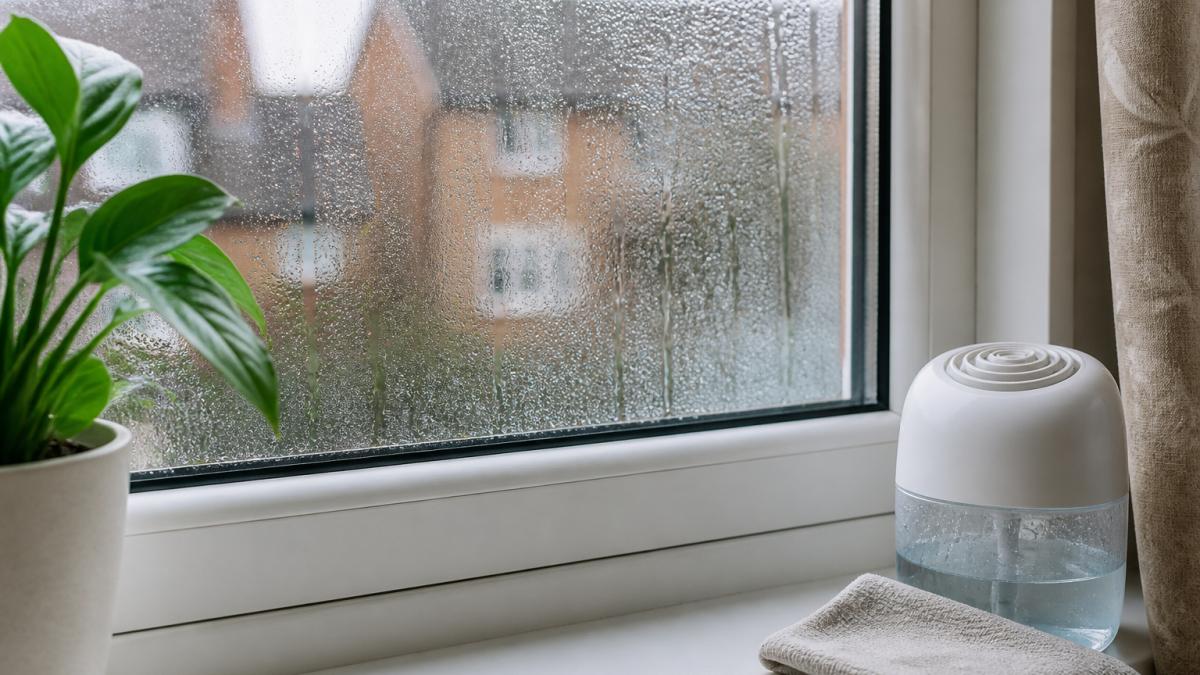
Condensation on windows forms when warm, moist indoor air meets cold glass and releases water. Cooking, showering, drying laundry and breathing all add moisture; when it cannot escape, it settles on the coldest surface, usually the glass.
At JJ's Glass & Glazing, we see this constantly across Leicester and Leicestershire. A bit of mist on a bedroom window in winter is normal; water running down the frame and feeding black mould is not.
The best ways to prevent window condensation depend on where the moisture comes from and how much your home traps.
Interior, Exterior and Between-Pane Condensation: Three Different Problems
Interior condensation is water on the inside face of the glass. It points to excess indoor moisture, poor air flow or cold glass, and is usually fixable with ventilation and heating.
Exterior condensation appears on the outside of the glass, often in the early morning. It is harmless.
Between-pane condensation is mist trapped inside a sealed double-glazed unit. This is a failed seal, not a ventilation problem. No amount of opening windows will clear it. The unit needs replacing.
How to Prevent Window Condensation with Daily Ventilation
The most effective way to prevent window condensation is daily ventilation: swap moist indoor air for drier outdoor air, even when it is cold outside. Cold air holds less moisture, so it dries your home as it warms.
Do this every day, ideally in the morning:
- Open windows wide for 20 minutes to flush out stale, damp air
- Open internal doors so air can move between rooms
- Leave trickle vents open on modern windows all day
- Run extractor fans while cooking and showering, and for 15 minutes after
- Close windows again before the rooms lose too much heat

Extractor Fans, Trickle Vents and Opening Windows for 20 Minutes
Extractor fans are your first line of defence in the wettest rooms. Check yours by holding a tissue near the grille while it runs; if it does not pull towards the fan, it is weak or blocked.
Trickle vents are small openings built into modern window frames. They let a slow, constant trickle of fresh air in without draughts. Many people close them to save heat, then wonder why condensation returns.
Opening windows for 20 minutes gives a fast air change. Short bursts beat leaving a window ajar all day: you clear moisture without cooling the whole house.
How to Reduce Humidity in a House Room by Room
Reducing humidity in a house means tackling moisture at its source, room by room, and knowing roughly how much water vapour each activity adds so you prioritise the biggest contributors.
As a rough guide, common household activities release moisture at very different rates:
- A ten-minute shower can add around 0.5 litres of water vapour to the air
- Boiling pans uncovered for half an hour adds a similar amount
- Drying a full load of laundry indoors can release two to three litres over a day
- Four people simply breathing and moving around a home add several litres a day
That is why one unvented shower or an indoor drying rack can undo an otherwise well-ventilated home.
Here is where moisture builds and what to do about it:
- Bathroom: run the extractor fan during and for at least 15 minutes after showers, keep the door closed, and wipe down surfaces. If the fan is noisy but weak, it may be undersized or ducted poorly.
- Kitchen: use pan lids, run the extractor over the hob, and avoid leaving boiling pans uncovered. A hob extractor that recirculates rather than vents outside filters grease but does not remove much moisture.
- Utility or spare room: vent a tumble dryer outside, or use a condensing model that collects water in a tank. Empty the tank regularly.
- Bedrooms: open windows briefly each morning to clear overnight moisture from breathing, and avoid drying washing on radiators overnight.
- Living areas: keep internal doors open where possible so moist air can move towards ventilation points rather than pooling in cold corners.
Measuring Indoor Humidity and Temperature Before You Buy Anything
Before spending money on gadgets, measure the problem.
Aim for indoor humidity between 40% and 60%. Above that, condensation and mould become far more likely. Below it, the air feels dry and can irritate your throat.
Also check the temperature. Condensation forms on cold surfaces, so a room below around 15°C will mist up even at moderate humidity.
Take readings morning and evening for a week in the coldest and wettest rooms. If humidity stays above 60% despite ventilation, the source is likely ongoing moisture or too few air changes.
Prioritising Fixes by Cost and Effort
Once you have readings, work through fixes in tiers so you spend only where it helps.
Tier 2, low-cost checks and additions: confirm extractor fans actually pull air, add a moisture absorber to a single stubborn room, and fit a hygrometer to track progress.
Tier 3, equipment: a dehumidifier for a damp room or for drying laundry indoors, and window film or secondary glazing for cold single glazing.
Tier 4, glazing and building work: replacing failed sealed units, improving ventilation ducting, or addressing damp and insulation issues.
Most homes solve the problem at Tier 1 or 2.
Cheap Ways to Reduce Window Condensation That Actually Work
Cheap ways to reduce window condensation start with habits, not products. The cheapest fixes cost nothing and work better than most gadgets.
- Open windows for 20 minutes each morning
- Keep trickle vents open
- Cook with lids on pans
- Dry laundry outside or in a vented space
- Leave internal doors open for air circulation
- Wipe down sills and frames when mist appears
A moisture absorber or dehumidifier can help in a single stubborn room, such as a cold bedroom or cupboard, but they only treat the symptom. Fix the source or the moisture returns.
Window film and insulation kits add a layer of warmth to the glass, reducing surface condensation but doing nothing about the humidity causing it. Treat them as support, not a cure.
| Fix | Effort | Cost | Best For |
|---|---|---|---|
| Daily ventilation | Low | Free | Almost every home |
| Extractor fan check | Low | Free | Kitchens and bathrooms |
| Moisture absorber | Low | Low | Single cold rooms |
| Dehumidifier | Medium | Medium | Damp rooms, drying laundry |
| Window film or kit | Medium | Low | Cold single glazing |
| Replacement unit | High | Higher | Misted double glazing |
Keeping Rooms Warm and Improving Air Circulation
Warm air holds more moisture than cold air, so keeping rooms consistently warm reduces condensation.
Condensation forms when air cools to its dew point against a surface.
A common pattern is to keep living areas around 18-21°C during the day and bedrooms slightly cooler, while avoiding sharp overnight drops.
Keep the heating on a steady, low setting rather than blasting it briefly; consistent temperature keeps glass warmer and stops moisture settling.
Air circulation matters just as much.
Ceiling fans on low, or simply open internal doors, keep air moving and stop moisture pooling on cold glass.
When Heating and Circulation Are Not Enough
If you have raised the temperature and improved air movement but condensation persists, the problem is usually one of three things:
- The moisture source is too large. Ongoing indoor drying, an unvented tumble dryer or a persistent leak can overwhelm normal ventilation.
- The ventilation is ineffective. Extractor fans that do not pull air, blocked trickle vents or sealed rooms prevent moist air from leaving.
- The glazing is at fault. A failed sealed unit traps moisture between the panes, which no amount of heating will clear.
Work through these in order, using your hygrometer and temperature readings. If readings are high, focus on moisture and ventilation. If readings are normal but one window still mists, focus on the glass and the room's cold spots.
When to Replace Misted Double Glazing
Replace misted double glazing when condensation is trapped between the panes, the one clear sign the sealed unit has failed and the gas or vacuum inside has been lost.
You cannot clean, dry or vent between-pane mist. The seal is broken, so moisture has entered the gap and cannot leave. Only a new sealed unit fixes it.
Other signs it is time to replace:
- The mist does not clear, even in warm weather
- You can see water droplets or a milky film inside the glass
- The room feels colder than it should near the window
- The unit is old and draughty around the frame
If only the unit has failed, you often do not need a whole new window, saving money and avoiding unnecessary disruption.
When Basic Fixes Fail: Prioritising Next Steps
If condensation persists after weeks of ventilation, heating and moisture control, work through the fixes by cost and effort. Start with the free changes and only spend once you have ruled out the simple causes.
- Check your habits. Are you ventilating daily and drying laundry outside?
- Check your fans. Do extractors actually pull air, and are trickle vents open?
- Measure humidity and temperature. Is a room sitting above 60% humidity or below 15°C?
- Add targeted help. A dehumidifier for one stubborn room.
- Inspect the glazing. Is mist trapped between the panes?
- Call a glazier. If the unit has failed, replacement is the only fix.
Persistent condensation is worth taking seriously. Left alone, it feeds mould, damages paint and plaster, and can harm your health. Treating it early is cheaper than repairing the damage later.
Condensation is rarely a mystery once you know which type you are dealing with, but persistent mist, failed seals and mould are worth solving properly. If your windows are misting between the panes or you want an expert opinion on the cause, get in touch. Request a quote from JJ's Glass & Glazing and get your windows clear, warm and working as they should.
Frequently Asked Questions
What are the cheapest ways to stop condensation forming on windows?
Opening windows for 20 minutes each morning and after cooking or showering costs nothing and removes built-up water vapour. Leaving internal doors open lets air circulate between rooms instead of trapping moisture. A moisture absorber or salt bowl in a small room can help short term. Fixing a dripping extractor fan or clearing trickle vents are low-cost jobs that make a real difference. Start with free habits before spending on a dehumidifier.
Can condensation cause mould and other problems?
Yes. Persistent condensation on cold glass and window frames keeps surfaces damp, which encourages mould growth on silicone seals, plaster and curtains. Over time, damp can damage paint, rot timber frames and worsen indoor air quality, particularly for people with asthma or allergies. If you see black spotting around windows, treat it quickly and address the underlying moisture. Reducing humidity and improving ventilation are the first steps before considering replacement glazing.
How can I stop condensation on my windows overnight?
Condensation overnight usually comes from warm, moist air hitting cold glass. Keep bedroom doors slightly open so air circulates, avoid drying laundry on radiators in the evening, and leave trickle vents open. Setting heating to come on earlier in the morning rather than last thing at night helps warm the glass before you wake. If a bedroom stays damp despite these steps, a small dehumidifier can bring humidity levels down while you sleep.
When does window condensation mean a double-glazed unit needs replacing?
If condensation forms between the panes, the sealed unit has failed and no amount of ventilation will fix it. That is different from surface condensation on the room-facing glass, which points to humidity and airflow issues instead. Misted double glazing means the argon or air gap has been breached, so the unit loses its insulating value. A glazier can confirm whether the glass needs replacing or whether the whole frame is also due for an upgrade.