 how-to
Anti-Snap Door Locks: Benefits & Security
Table of Contents
- What Are Anti-Snap Door Locks and Why They Matter
- How Anti-Snap Locks Work
- Key Benefits of Anti-Snap Door Locks
- Understanding BSI TS 007 Lock Standards
- Sold Secure Diamond Cylinder Certification
- Anti-Snap Lock Upgrade: What to Consider
- Limits of Cylinder-Only Protection
- Frequently Asked Questions
Last Updated: October 11, 2026
What Are Anti-Snap Door Locks and Why They Matter
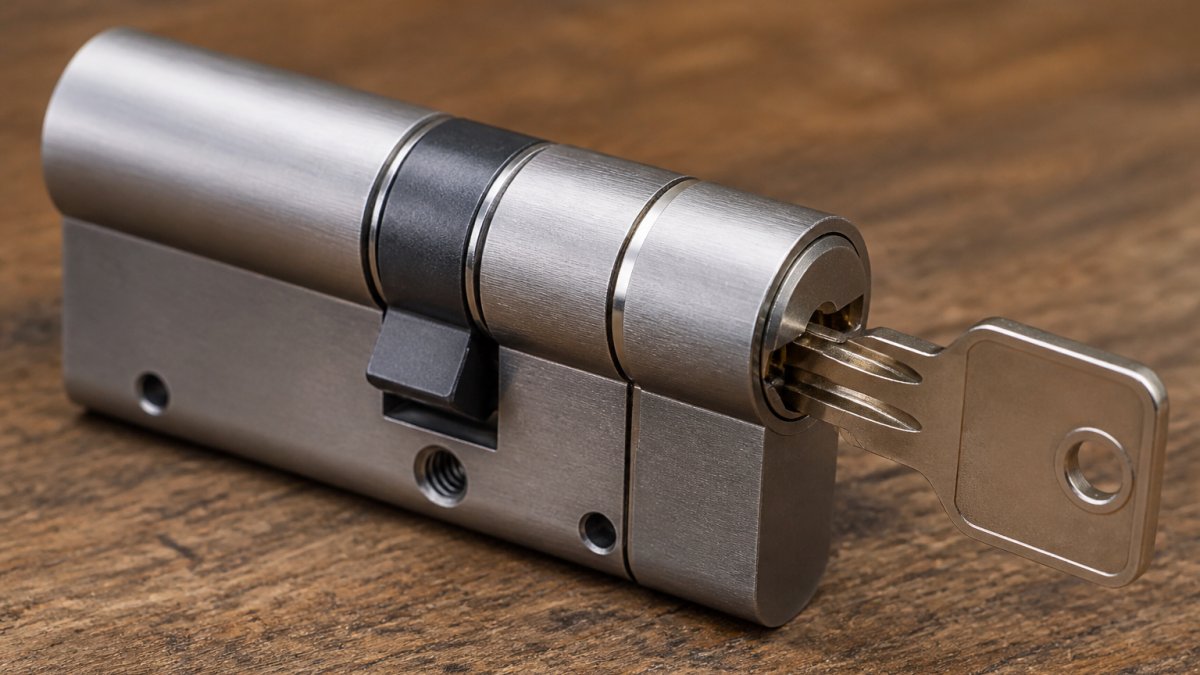
Anti-snap door locks are specialised euro cylinders engineered to resist lock snapping, a forced-entry method where intruders break the cylinder body to manipulate the internal mechanism.
Standard euro cylinders snap at a predictable point under force, allowing intruders to manipulate the internal mechanism. Anti-snap door locks eliminate this vulnerability through reinforced design and a sacrificial section that fails in a way that prevents the attack from succeeding.
A standard euro cylinder can be compromised in seconds with basic tools and force. An anti-snap cylinder resists this attack method entirely, providing peace of mind and reduced insurance risk.
How Anti-Snap Locks Work
Anti-snap door locks operate using two key design principles: a reinforced cylinder body and a sacrificial section that controls how the cylinder fails under attack.
The sacrificial section explained
The sacrificial section is a deliberately engineered weak point positioned where standard cylinders typically snap during a forced-entry attack.
When force is applied, this section breaks away while the internal cam and locking mechanism remain intact and inaccessible, making the attack method completely ineffective.
The sacrificial section sits about 5-10mm from the cylinder body edge and is designed to absorb impact energy and fail predictably, protecting the lock mechanism.
Reinforced cylinder body design
Anti-snap cylinders use hardened steel and thicker walls throughout the body to withstand the lateral forces applied during a snapping attack.
The reinforced design extends to the pin stack area and internal cam housing, protected by thicker cylinder walls and resisting attack from multiple angles.
Key Benefits of Anti-Snap Door Locks
Resistance to forced entry
The primary benefit of anti-snap door locks is straightforward: they stop lock snapping attacks entirely.
Lock snapping is one of the fastest forced-entry methods, bypassing a standard lock in under a minute. With an anti-snap cylinder, that attack path is closed, forcing intruders to try slower, noisier methods.
Simply having an anti-snap cylinder fitted means you are protected against this specific attack method.
Protection for uPVC and composite doors
uPVC and composite doors are softer than timber and cannot absorb snapping attack forces as effectively, making the lock often the weakest point in the door assembly.
Anti-snap cylinders are especially valuable for uPVC and composite doors, addressing the most likely point of forced entry on these door types.
Professional installers and security consultants consistently recommend anti-snap cylinders for these door materials as one of the most cost-effective security upgrades available.
Peace of mind and insurance benefits
Knowing your door lock is resistant to one of the most common forced-entry methods provides genuine peace of mind.
Some insurance policies offer discounts when you upgrade to certified anti-snap locks, recognising that these locks reduce the likelihood of successful burglary.
Understanding BSI TS 007 Lock Standards
BSI TS 007 is the British Standard specification for anti-snap locks (Why choose a lock with BSI Kitemark for Smart Residential Locking Devices?). Understanding what this certification means, and what it does not, is essential for making an informed purchase.
What BSI TS 007 tests
BSI TS 007 specifies a controlled laboratory test where a euro cylinder is subjected to a simulated snapping attack:
The snap test itself A cylinder is mounted in a test rig and struck with calibrated lateral force until it either fails or reaches a maximum threshold. It passes if it resists snapping without the internal mechanism becoming accessible.
Mechanism integrity check The tester examines whether the internal pin stack and cam remain inaccessible. If an intruder could manipulate the mechanism, the lock fails even if the cylinder body is partially intact.
Repeatability Multiple cylinders from the same batch are tested to ensure consistent effectiveness.
A cylinder certified to BSI TS 007 resists the specific snapping attack method under the conditions defined by the standard.
What BSI TS 007 does NOT test
BSI TS 007 is narrowly focused on snapping resistance. It does not test protection against:
Drilling attacks A drill can bypass the pin stack if the cylinder is not hardened against drilling. BSI TS 007 does not require anti-drill protection.
Lock picking and bumping These techniques exploit the internal pin mechanism without breaking the cylinder.
Pulling attacks Some cylinders can be pulled out of the lock housing with sufficient force.
Frame and door vulnerabilities The standard tests the cylinder in isolation, not the door frame, hinges, or door material.
In short: BSI TS 007 certifies that a cylinder resists snapping. It does not certify that the lock is impervious to all attack methods or that the door as a whole is secure.
How to verify BSI TS 007 compliance independently
Not all cylinders claiming to be "anti-snap" have been tested to BSI TS 007. Some manufacturers make unverified claims. To confirm a product is genuinely certified:
Check the product documentation The manufacturer or supplier should provide a copy of the BSI test certificate or a reference number. Reputable suppliers publish this information on their website or provide it on request. If a supplier cannot produce a certificate, the claim is unverified.
Look for the BSI Kitemark Products certified to BSI standards may display the BSI Kitemark (a registered logo).
Contact the manufacturer If you are unsure, email the manufacturer and ask for the test certificate number or a link to the published test results. A legitimate manufacturer will respond promptly.
Cross-reference with Sold Secure or other independent bodies If a cylinder is certified by Sold Secure (see below), it has been independently tested by a third party. This is stronger evidence than a manufacturer's own claim.
BSI TS 007 versus other standards
Other standards and certifications exist for locks:
Sold Secure Diamond This is a higher standard than BSI TS 007. Sold Secure Diamond cylinders must resist snapping, drilling, picking, and bumping. They are tested by an independent body (Sold Secure) rather than relying on manufacturer testing. A Sold Secure Diamond cylinder is more comprehensively protected.
PAS 24 (now superseded by BS PAS 24:2016) This standard covers the security of doors and windows as complete assemblies, including the lock, frame, and hinges. A door certified to PAS 24 has been tested as a whole unit. This is relevant if you are upgrading an entire door, not just the cylinder.
Insurance-backed standards Some insurers recognise specific lock standards. Check your home insurance policy to see which certifications are recognised for discounts or cover conditions.
What a BSI TS 007 upgrade actually protects against
Upgrading to a BSI TS 007 cylinder closes one specific attack vector: the snapping method. This is valuable because snapping is fast, requires minimal skill, and is commonly used by opportunistic burglars.
However, it does not make your door impervious to forced entry. An intruder who cannot snap the lock may try drilling, picking, or attacking the frame instead.
When evaluating a BSI TS 007 cylinder, treat it as one layer of protection, not a complete solution.
Sold Secure Diamond Cylinder Certification
Sold Secure Diamond is a higher security rating than BSI TS 007. This certification is awarded by Sold Secure, an independent testing body that evaluates locks against demanding security standards.
A Sold Secure Diamond cylinder must resist not only snapping attacks but also other forced-entry methods including drilling, picking, and bumping.
For homeowners who want the highest level of protection, a Sold Secure Diamond anti-snap cylinder offers peace of mind that extends beyond just the snapping attack method. These cylinders provide superior protection across multiple attack vectors.
Anti-Snap Lock Upgrade: What to Consider
Assessing your current lock and door
Before upgrading to an anti-snap cylinder, you need to understand what you currently have and whether an upgrade makes sense for your door.
Start by identifying your current lock type. Most modern doors use euro profile cylinders, which are the standard for uPVC and composite doors. If you have a euro cylinder, upgrading to anti-snap is straightforward.
Next, assess the overall condition of your door and frame. An anti-snap lock is only as effective as the door it secures.
Compatibility with existing doors
Anti-snap cylinders come in standard sizes that fit most modern door installations. The most common size is 35mm internal and 35mm external, but variations exist.
Before purchasing, measure your existing cylinder to ensure compatibility. This is simple: measure from the centre of the lock to the inner edge of the door (internal depth) and from the centre to the outer edge (external depth).
Most anti-snap cylinders are designed as direct replacements for standard cylinders. They fit into the same space and use the same key profile. This means you can upgrade without replacing the entire lock mechanism.
Professional installation and checks
While cylinder replacement is not technically complex, professional installation ensures the job is done correctly and the lock functions properly.
A professional installer will remove the old cylinder, fit the new anti-snap cylinder, test the lock mechanism, and ensure the door closes smoothly without binding.
After installation, it is worth performing a simple check yourself. Turn the key from inside and outside to confirm smooth operation. Check that the door closes and locks securely. Ensure the handle operates normally with the new cylinder in place.
| Upgrade Step | What to Check | Why It Matters |
|---|---|---|
| Before upgrade | Cylinder size, door condition, frame integrity | Ensures compatibility and identifies other weak points |
| During installation | Proper fit, smooth key operation, flush positioning | Prevents binding and ensures the lock works correctly |
| After installation | Door closure, lock engagement, key function | Confirms the upgrade is complete and effective |
Limits of Cylinder-Only Protection
An anti-snap lock is one part of a complete door security strategy, not a complete solution by itself. Understanding these limits helps you build a more effective overall protection plan.
A lock, however strong, only protects against entry through that specific lock. An intruder who cannot force the lock may attack the door frame, hinges, or the door material itself.
Anti-snap cylinders also do not protect against other lock-defeating methods such as key theft, lock picking, or bumping.
Frequently Asked Questions
What are the benefits of anti-snap door locks?
Anti-snap door locks resist the forced-entry technique where burglars snap the cylinder to bypass the lock. Key benefits include protection against this common attack method, compliance with British security standards like BSI TS 007, reduced insurance premiums for some policies, and enhanced peace of mind. They are especially valuable for uPVC and composite doors, which are frequent targets. Unlike standard euro cylinders, anti-snap locks feature a reinforced body and sacrificial section that breaks away under force rather than allowing the entire lock to snap.
How do anti-snap locks work?
Anti-snap locks incorporate a pre-cut sacrificial section within the cylinder body. When a burglar attempts to snap the lock by applying force, this section breaks away cleanly, leaving the main cylinder intact inside the door. The reinforced design and internal pins remain secure, preventing access even after the sacrificial part detaches. This engineering makes the lock resistant to the snapping technique while maintaining normal operation with a key. The sacrificial section absorbs the impact that would otherwise compromise a standard euro cylinder.
What is the difference between BSI TS 007 and Sold Secure Diamond certification?
Both are independent UK security standards for euro cylinders. BSI TS 007 is the British Standards Institution's specification for anti-snap and anti-bump resistance, covering attack methods and durability requirements. Sold Secure Diamond is the highest rating from Sold Secure, a physical security testing body, and indicates the lock has passed rigorous mechanical and forced-entry tests.
Can I fit an anti-snap lock upgrade to my existing door?
In most cases, yes. Anti-snap euro cylinders are designed to fit standard euro profile locks found on uPVC, composite, and timber doors. The cylinder can usually be removed and replaced without altering the door or handle. However, compatibility depends on your current lock type and door construction. Professional installation ensures the replacement is fitted correctly and tested. Professional installation also confirms that the door frame, hinges, and multipoint locking system work together effectively for full security.
Upgrading your door locks is one of the most practical steps you can take to improve your property security. An anti-snap cylinder addresses a genuine threat and is affordable to install. At JJ's Glass & Glazing, we provide professional advice on lock upgrades and can fit anti-snap cylinders to your doors with expert care. Get in touch for a free, no-obligation quote and let us help you strengthen your home security with the right solutions for your doors and windows.