 how-to
Commercial Office Glazing Maintenance Tips That Work
Table of Contents
- Why Commercial Office Glazing Maintenance Matters
- How Often Should Commercial Office Glazing Be Inspected?
- The Commercial Window Maintenance Checklist Every Facilities Manager Needs
- Commercial Glass Cleaning: Methods That Avoid Streaks and Damage
- Double Glazing Maintenance: Spotting Problems Before They Worsen
- When Commercial Glazing Repair Becomes Necessary
- Common Mistakes to Avoid in Glazing Maintenance
- Frequently Asked Questions
Last Updated: October 12, 2026
Why Commercial Office Glazing Maintenance Matters
Commercial office glazing maintenance is the routine inspection, cleaning, and repair of glass windows, doors, and facades in commercial buildings to keep them safe, clear, and energy-efficient. Neglect it, and small chips become cracked panes. Seals fail. Heating bills climb.
So what actually happens when glass is left alone?
- Energy loss: failed seals let warm air escape, so your heating works harder
- Safety risk: cracked or loose panes can shatter, putting staff and visitors at risk
- Curb appeal: dirty, streaky glass makes even a well-kept office look tired
- Cost creep: a small repair today often becomes a full unit replacement later
The good news is that glazing maintenance is not complicated. It is mostly about routine and knowing what to look for.
Below, we cover how often to inspect, what to check, and how to clean and repair commercial glazing without causing damage. The steps outlined help facilities managers catch problems early and avoid unnecessary spend.
How Often Should Commercial Office Glazing Be Inspected?
Commercial office glazing should be inspected at least once a month, with a full professional review twice a year. High-traffic buildings, or those near busy roads, may need checks every two weeks.
A simple rule helps here: the busier the building, the more often you look.
- Monthly: quick visual walk-around of all accessible glass
- Quarterly: check seals, frames, and hardware in more detail
- Twice a year: bring in a professional for a full inspection
- After storms: check for chips, cracks, or shifted frames
According to Health and Safety Executive guidance on glass safety in workplaces, employers have a duty to keep glazing safe, which makes regular checks a legal matter as well as a practical one.
If you spot anything odd between scheduled checks, do not wait. Small cracks spread fast, especially in cold weather.
The Commercial Window Maintenance Checklist Every Facilities Manager Needs
A commercial window maintenance checklist is a written record of what to check, when, and what action to take. It turns guesswork into a routine that anyone on your team can follow.
Here is how to split the work.
Daily and Weekly Visual Checks
These take minutes and need no tools.
- Look for cracks, chips, or cloudiness in each pane
- Check for condensation between double-glazed panes
- Confirm windows open, close, and lock properly
- Note any water pooling on sills or frames
- Flag loose or damaged seals
Monthly and Quarterly Deep Checks
These need a closer look and sometimes a ladder or professional help.
- Inspect frame joints and sealant for gaps or wear
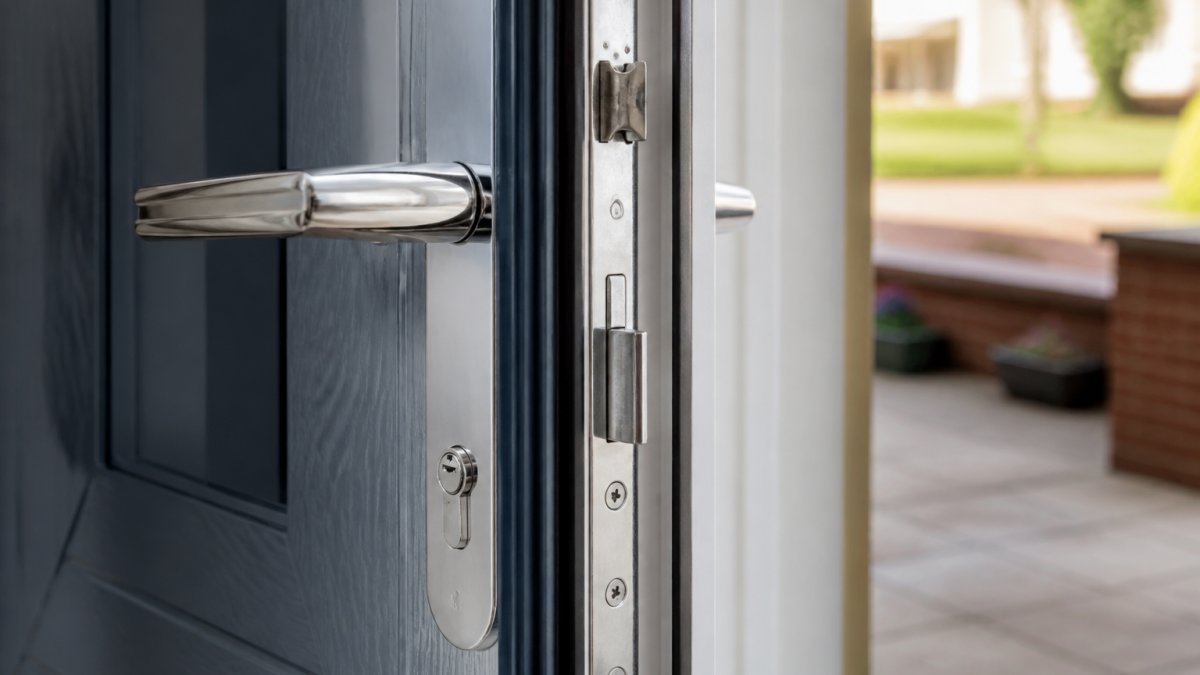
- Test handles, hinges, and locking mechanisms
- Check for draughts around frames
- Look for mould or damp near window edges
- Review the log and book any repairs
| Check | How Often | Who Does It | Time Needed |
|---|---|---|---|
| Visual walk-around | Weekly | On-site staff | 10-15 minutes |
| Seal and frame check | Monthly | On-site staff | 20-30 minutes |
| Hardware and lock test | Quarterly | On-site staff | 30 minutes |
| Full professional review | Twice a year | Glazing specialist | 1-2 hours |
Commercial Glass Cleaning: Methods That Avoid Streaks and Damage
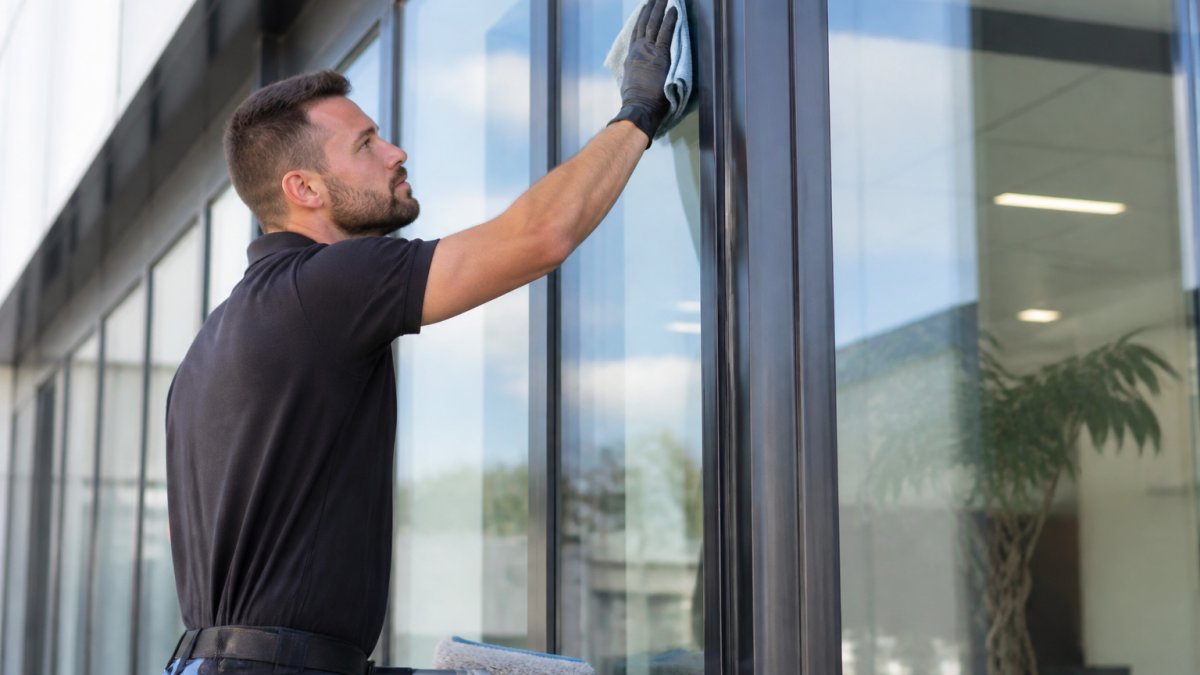
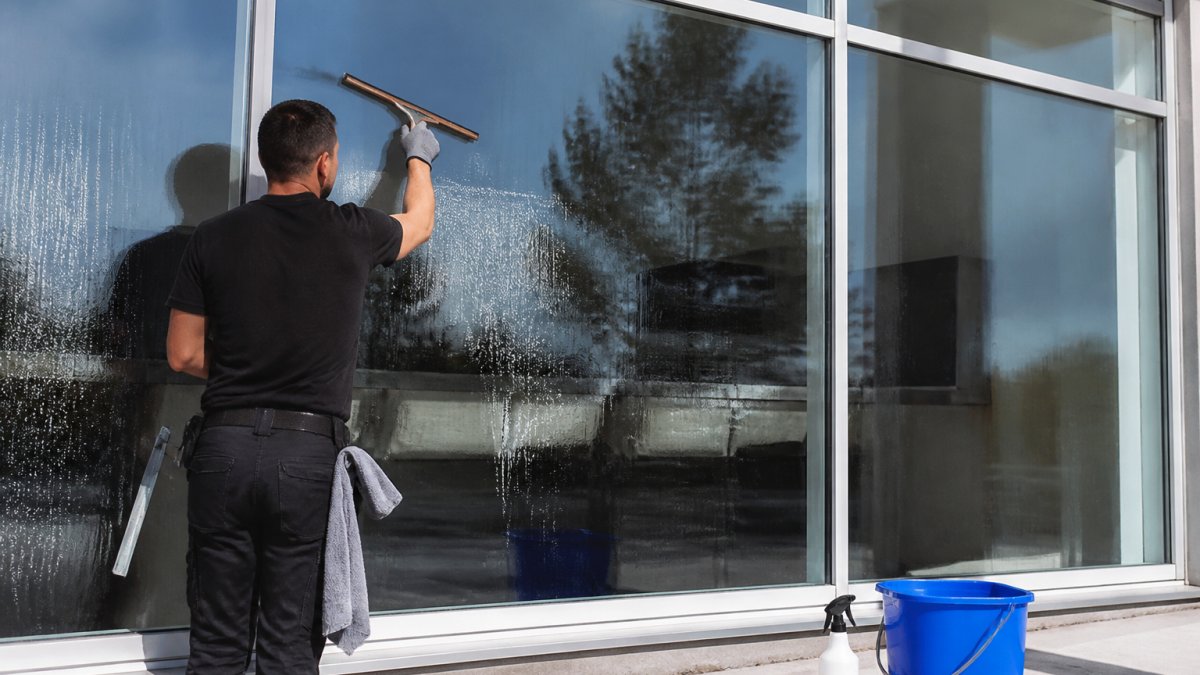
Commercial glass cleaning works best with the right tools and a simple top-to-bottom method. Most streaks come from the wrong cloth or cleaning in direct sun.
Choosing the Right Cleaning Products
Skip harsh chemicals and abrasive pads. They scratch the glass and strip protective coatings.
- Warm water with a mild soap: safe for most glass
- Purpose-made glass cleaner: good for light marks
- Microfibre cloths: trap dirt instead of smearing it
- A rubber squeegee: the fastest route to a streak-free finish
Avoid cleaning in direct sunlight. The solution dries too fast and leaves marks.
Techniques for Streak-Free Results
Work in a set order so you never clean the same spot twice.
- Dust or rinse the glass to remove loose grit
- Apply your cleaning solution from the top down
- Wipe with a squeegee in overlapping strokes
- Dry the edges and frame with a microfibre cloth
- Check the glass from an angle to catch missed streaks
The British Standards Institution guidance on glass in buildings sets out how glass should perform in commercial settings, which is a useful reference when you are unsure whether a mark is dirt or damage.
Double Glazing Maintenance: Spotting Problems Before They Worsen
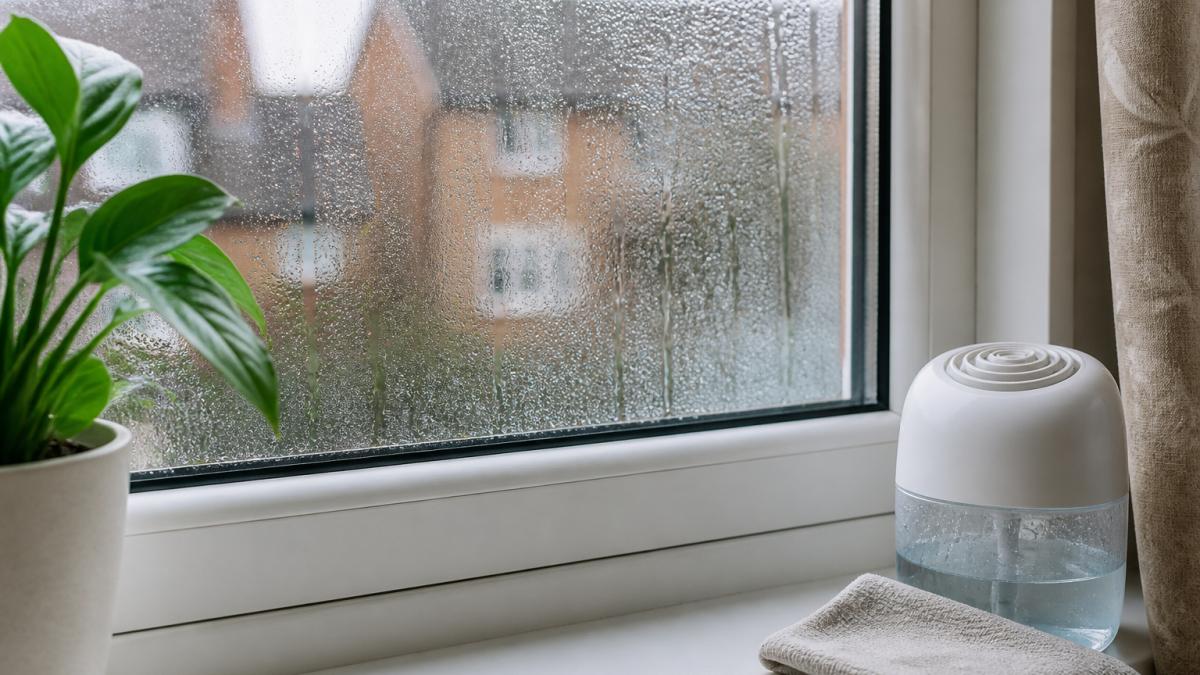
Double glazing maintenance focuses on the seal between the two panes. When that seal fails, moisture gets in and the unit starts to mist up.
Watch for these signs:
- Misting or fogging between the panes that will not clear
- Condensation on the inside pane in cold weather
- A cold spot near the window even when the heating is on
- Visible damage to the frame or sealant
The real difference between a unit that lasts and one that fails early often comes down to the seal. Once moisture is inside, cleaning will not fix it. The unit needs replacing.
If you spot misting early, act fast. A single failed unit is a small job. A whole floor of failed units is a much bigger one.
When Commercial Glazing Repair Becomes Necessary
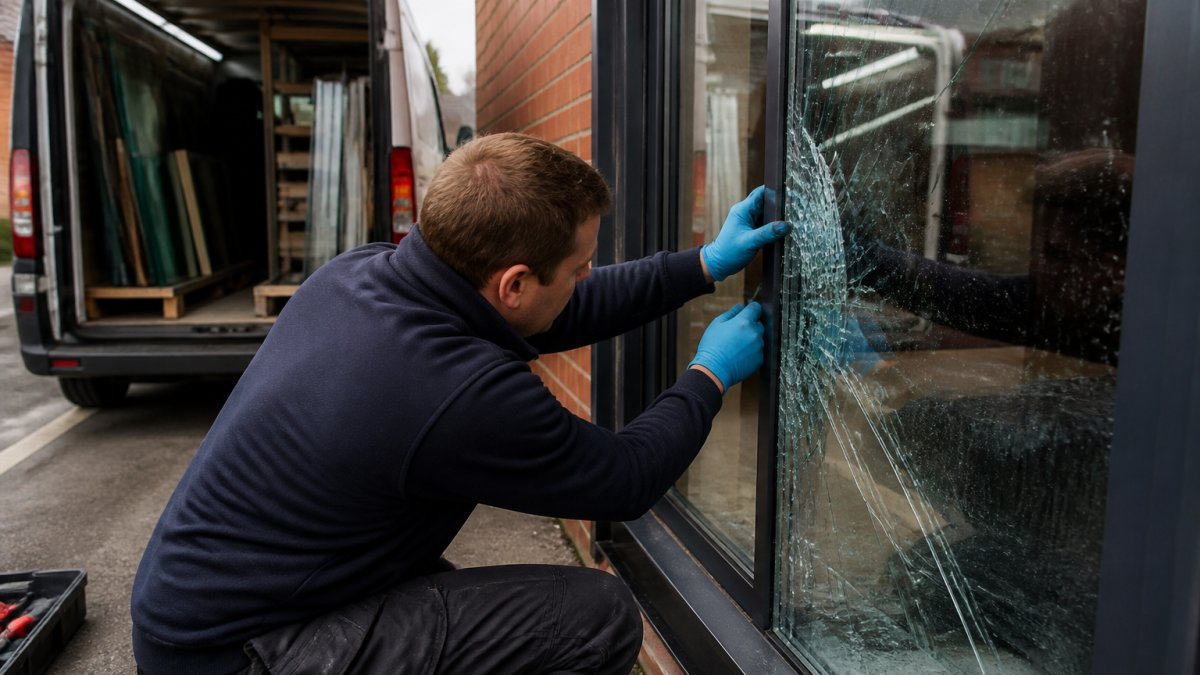
Commercial glazing repair is needed when glass is cracked, chipped, loose, or no longer sealed. Some issues are urgent, others can wait for a planned visit.
Treat these as urgent:
- Cracked or shattered panes that could fall
- Loose frames that move when touched
- Broken locks that leave the building insecure
- Water leaking through a failed seal
These can usually be scheduled:
- Minor chips away from the edges
- Slight misting in one unit
- Worn sealant that still holds
A common mistake is putting off a small chip. In practice, glass cracks spread faster in cold weather, so a chip that looks harmless in summer can split by winter.
If you are unsure whether a repair is urgent, get it looked at. A free, no-obligation quote from a professional glazier can help you understand the issue before it gets worse.
Common Mistakes to Avoid in Glazing Maintenance
Most glazing problems come from a handful of repeated mistakes. Avoiding them saves money and keeps your building safe.
- Ignoring small chips: they spread and turn a cheap fix into a full replacement
- Using abrasive cleaners: these scratch the glass and dull the finish
- Skipping the log: without records, you cannot spot repeat failures
- Cleaning in direct sun: this causes streaks and fast drying
- Forcing stiff windows: this bends frames and breaks hinges
- Waiting for a full failure: by then, the cost has usually tripled
What most guides miss is how much of this comes down to habit. A five-minute weekly check can prevent many expensive problems.
Commercial glazing maintenance is not glamorous, but it protects your budget, your staff, and your building's reputation. The challenge is keeping up with it when you already have a hundred other jobs. That is where JJ's Glass & Glazing comes in. We offer free, no-obligation quotes, reliable and professional service, and a full range of glazing work from cleaning and repairs to replacement double-glazed units and high-security locks. Get started with JJ's Glass & Glazing and keep your commercial glazing clear, safe, and built to last.
Frequently Asked Questions
How often should commercial office glazing be inspected?
Commercial office glazing should be visually checked weekly for obvious damage like cracks or condensation. A thorough inspection covering seals, frames, and hardware should happen quarterly. Buildings near busy roads or in exposed locations may need monthly deep checks because pollution and weather stress glazing faster. Keeping a written record of each inspection helps spot patterns and plan repairs before small issues become expensive.
What should be included in a commercial window maintenance checklist?
A solid commercial window maintenance checklist covers glass condition (cracks, chips, scratches), frame integrity (warping, rot, corrosion), seal and gasket condition, condensation between panes, lock and handle operation, and drainage channels. Include cleaning frequency, any previous repair history, and dates of each check. This checklist approach ensures nothing gets overlooked and gives you documentation if warranty claims arise.
How can you tell if a double-glazed unit needs replacing?
The clearest sign is persistent condensation or misting between the panes that cleaning cannot remove. This means the hermetic seal has failed and moisture has entered the cavity. Other indicators include a visible haze inside the unit, draughts around the edges despite intact frames, and a noticeable drop in thermal performance. Once the seal fails, the unit cannot be repaired, only replaced.
When should a business call a professional glazier?
Call a professional glazier for cracked or shattered glass, failed double-glazed units, broken locks or hinges, or any glazing that poses a security risk. If a window frame is distorted or a door no longer closes properly, that also needs expert attention. Attempting DIY repairs on commercial glazing can void warranties and create safety hazards, especially with tempered or laminated glass.