 how-to
Can You Replace Glass in Old Window Frames?
Last Updated: October 25, 2026
Quick Summary
Yes, you can replace glass in old window frames when the timber is sound, and it is often far cheaper than fitting a whole new window. Single-pane timber windows are DIY-friendly, but sealed double-glazed units must be replaced as a complete unit by a glazier.
- Tape a cracked pane in an X before removal so shards stay together if it fails.
- Measure the rebate, not the old pane, and use the smallest width and height readings.
- Subtract a clearance allowance of typically 2-3 mm off each dimension before ordering glass.
- Walk away from repair when timber is soft, crumbly or wet to the touch.
- Sand old paint with a dust mask because lead paint releases dust you can breathe in.
Table of Contents
- Can You Replace Glass in Old Window Frames Without Replacing the Window?
- Tools and Safety Kit Before You Touch Broken Glass
- How to Replace Glass in Timber Windows, Step by Step
- How to Measure Window Glass Accurately Before Ordering
- Window Glazing Putty Repair and Sealing the New Pane
- Window Glass Replacement Cost: What Drives the Price
- Lead Paint, Asbestos and Older-Frame Hazards to Check First
- Request a Free Glazing Quote for Your Old Frames
- Frequently Asked Questions
Can You Replace Glass in Old Window Frames Without Replacing the Window?
Yes, you can. Replacing glass in old window frames is usually possible, and often far cheaper than fitting a whole new window.
The frame stays. The glass comes out. If the timber is sound, that is the whole job.
Most homeowners assume a cracked pane means a new window. It rarely does.
But first, here's what most guides get wrong: not every frame can be saved.
Replacing glass in old window frames is a job you can do yourself on a simple single-pane timber window. Our glass and glazing services cover replacement glass, double glazed units and bespoke glass projects.
Single-Pane Versus Double-Glazed: What Can Actually Be Replaced
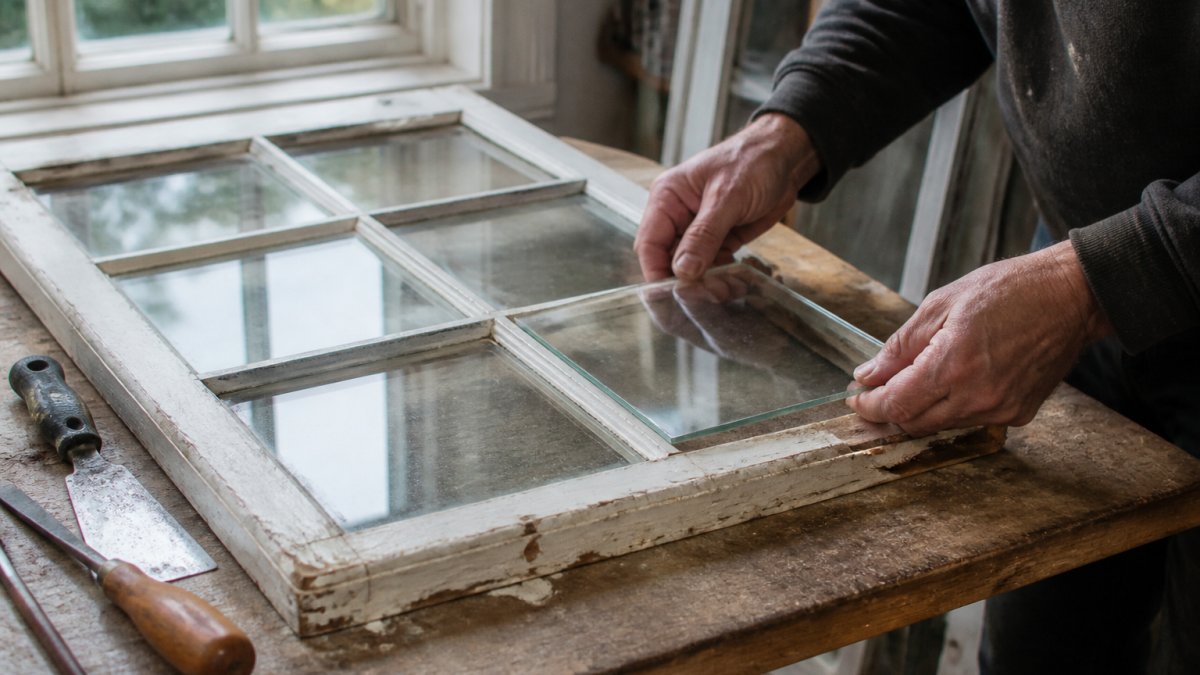
Single-pane glass sits in a rebate and is held by putty or beads. You can swap that pane yourself with basic tools.
A double-glazed unit is different. It is a factory-sealed sandwich of two panes with a gap between them. You cannot re-glaze it on site.
- Single-pane timber window: glass only, DIY-friendly
- Double-glazed unit: the full sealed unit, fitted by a glazier
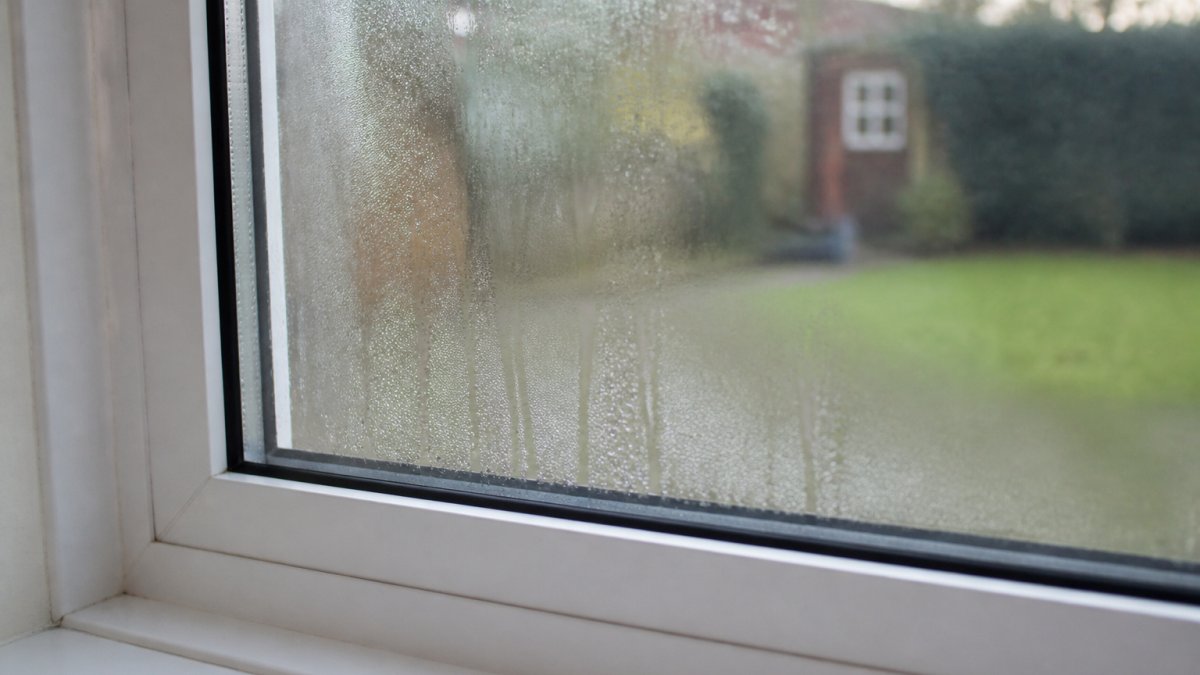
- Misted or blown unit: replacement unit, not just glass
If your unit has misted up, that is a failed seal, not a broken pane. Take a look at replacement double glazed units if your glass has gone cloudy between the panes.
When Repair Stops Making Sense
Repair wins when the frame is solid and only the glass is damaged. Walk away from repair when:
- The timber is soft, crumbly or wet to the touch
- The frame has twisted or dropped out of square
- The unit has failed twice in the same opening
A glazier can replace a pane in a sound frame. Nobody can glue rotten timber back into a window that has to hold glass safely. If you are unsure whether a misted unit is worth repairing, our guide on how to fix misted double glazing units covers diagnosis and the repair-versus-replace call in more depth.
Tools and Safety Kit Before You Touch Broken Glass
Safety comes before tools. Broken glass cuts deep, and old frames hide hazards that a fresh window never has. Treat every cracked pane as unstable until it is out of the frame.
Stabilise the pane before you touch it
A cracked pane can collapse without warning. Before you remove anything:
- Run a strip of strong tape (gaffer or packing tape) in an X across the crack, then add a second strip parallel to each edge. This holds shards together if the pane fails.
- If the glass is loose in the rebate, tape it to the frame as well so it cannot fall inward or outward.
- Never press on cracked glass to test it. Never lean a ladder against a cracked pane.
Personal protective equipment
- Gloves: thick leather or cut-resistant gloves, not gardening gloves. Glass shards will pass through thin fabric.
- Eye protection: safety glasses or goggles, worn whenever you scrape, tap or lift glass.
- Footwear: sturdy closed shoes with a thick sole. Never work in trainers or bare feet.
Tools for the job
- Stiff putty knife or scraper
- Small hammer
- Pincers or pliers for glazing points
Safe disposal of broken glass
- Never put loose shards in a bin bag on their own. Wrap each large piece in newspaper or cardboard, then place it in a rigid box or a double bag.
- Label the bag or box clearly as broken glass so nobody handles it carelessly.
- Sweep up small fragments with a brush and dustpan, not your hands. Use a torch at a low angle to spot glints on the floor.
How to Replace Glass in Timber Windows, Step by Step
This is the core of replacing glass in old window frames. Work slowly, and never force anything.
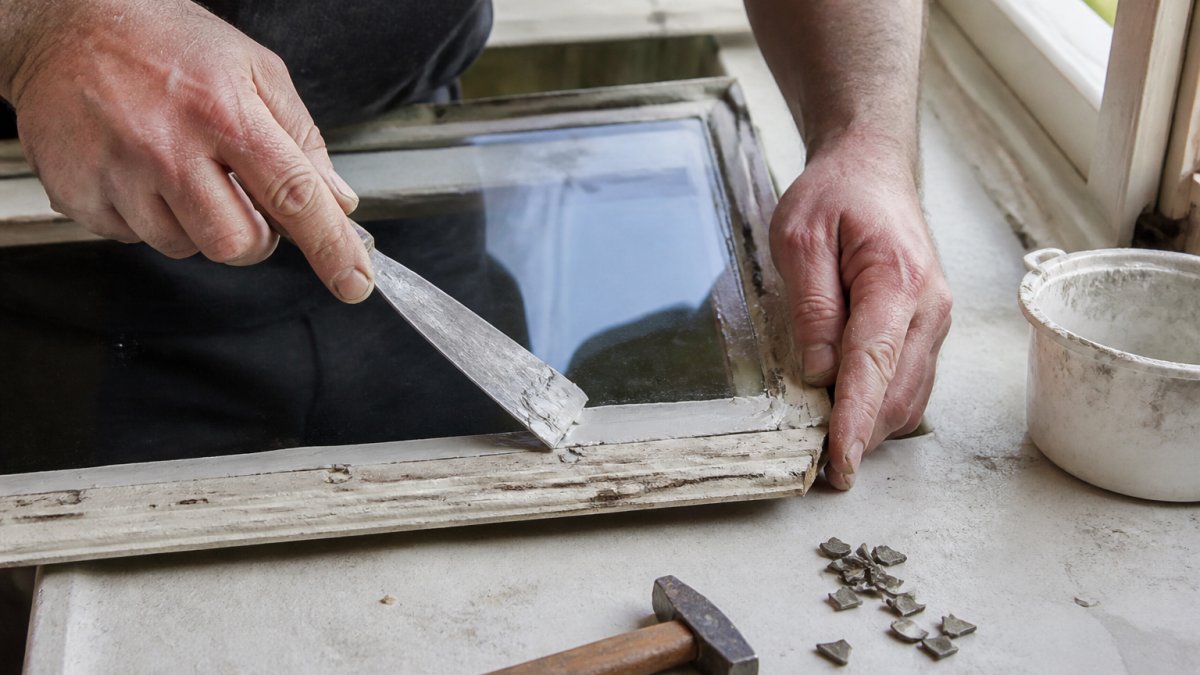
- Tape and remove the broken glass. Score around the edge, then lift shards out with gloved hands.
- Soften the old putty. A heat gun on low softens it without scorching the timber.
- Pull the glazing points. Use pincers, working along each edge.
- Clear the rebate. Scrape out every trace of old putty and old pins.
- Check the frame. Probe the timber for soft spots before you order glass.
- Measure the opening. Measure the rebate, not the old pane.
- Bed the new pane. Press it into a thin bead of putty or sealant.
- Secure with points or beads. Tap glazing points in, or refit timber beads.
- Seal the edges. Run a neat bead of putty or frame sealant.
- Clean and check. Wipe the glass and test for draughts.
Removing Old Putty, Glazing Points and Beads
Old putty goes brittle and cracks away from the glass.
Glazing points are small triangles of metal tapped into the rebate. Grip each one with pincers and pull straight out. Don't lever against the glass.
Timber beads are nailed or pinned strips. Ease them off with a chisel, working from a corner. Label them if you plan to reuse them.
Cleaning and Inspecting the Frame and Rebate
The rebate is the recess the glass sits in. Clean it back to bare, dry timber.
Run a screwdriver along the timber. If it sinks in easily, that section is rotten. Small soft patches can be cut out and filled. Long runs of rot mean the frame is finished.
Check the sill and the base of the frame too. Water pools there, and that is where rot starts.
How to Measure Window Glass Accurately Before Ordering
Measure the rebate, not the old pane. The old glass may have been cut slightly small, and copying it repeats the mistake. This is the step where most DIY glazing goes wrong, and a wrongly sized pane cannot be trimmed or returned once cut.
What to measure
- Rebate width and height: the rebate is the recess the glass sits in. Measure the full width and height of that recess, not the visible glass.
- Rebate depth: measure how deep the rebate is from the face of the frame to the back of the recess. This tells you how much room you have for bedding compound and putty or beads.
- Glass thickness: measure the old pane with a micrometer or vernier calliper if you have one. If not, take the old pane to the glazier. Do not guess, 4 mm and 6 mm glass look similar but behave differently.
How to take the measurements
- Measure the width at the top, middle and bottom of the rebate. Record all three.
- Measure the height at the left, middle and right. Record all three.
- Use the smallest width and the smallest height. This accounts for any out-of-square frame.
- Subtract a clearance allowance, typically 2-3 mm off each dimension, so the pane drops in without forcing. The exact allowance depends on the bedding method; ask your glazier if unsure.
- Measure in millimetres and write everything down before you order.
Specifying the order
When you order, give the glazier:
- The rebate width and height (after clearance)
- The glass thickness
- The glass type (see below)
For single-pane timber windows, 4 mm glass is common for small panes and 6 mm for larger ones. For sealed units, the whole unit is ordered to the rebate size, not just the glass. If you are unsure which you have, our guide to replacement double glazed units explains the difference.
Common measuring mistakes
- Measuring the old pane instead of the rebate
- Assuming the frame is square
- Forgetting the clearance allowance and ordering glass that will not seat
If you are in any doubt, send your measurements and a photo of the rebate to a glazier before ordering. A second opinion costs nothing; a wrong pane costs the full price.
Getting the pane size right comes down to a few measurements and one clearance rule.
| Item | Value | Note |
|---|---|---|
| Rebate width and height | Full recess size | Measure the rebate, not the old pane |
| Rebate depth | Face of frame to back of recess | Shows room for bedding and putty |
| Glass thickness | Measure old pane with micrometer or calliper | Do not guess between 4 mm and 6 mm |
| Clearance allowance | Typically 2-3 mm off each dimension | Exact allowance depends on bedding method |
| Width readings | Top, middle and bottom | Use the smallest width |
| Height readings | Left, middle and right | Use the smallest height |
| Units | Millimetres | Write everything down before ordering |
| Common glass thickness | 4 mm small panes, 6 mm larger ones | For single-pane timber windows |
Window Glazing Putty Repair and Sealing the New Pane
Window glazing putty repair is what keeps the new pane watertight. Get this wrong and the frame rots from the inside out.
Press the pane into a thin bed of putty.
Use a putty knife at a shallow angle to shape the bead. Work in one continuous stroke per edge.
Frame sealant suits timber beads. Traditional linseed putty suits single-pane timber frames. Don't mix the two on the same window.
Window Glass Replacement Cost: What Drives the Price
Window glass replacement cost depends on the glass, the access and the frame, not on a flat rate.
- Glass type: single pane versus a sealed double-glazed unit
- Size and thickness: bigger and thicker glass costs more
- Access: a first-floor window takes longer than a ground-floor one
We don't publish fixed prices because every window is different. For an accurate figure, send us your measurements and we'll quote.
Lead Paint, Asbestos and Older-Frame Hazards to Check First
Old frames carry hazards that newer ones don't. Check before you scrape, sand or cut.
Lead paint was used on timber windows for decades. The Health and Safety Executive guidance on lead sets out the risks and how to work safely.
Asbestos can turn up in old window surrounds, sealants and panels. The Health and Safety Executive guidance on asbestos explains what to do next.
If your home is listed or in a conservation area, check with the local planning authority before changing any glazing. The government guidance on listed building consent covers what needs approval.
Request a Free Glazing Quote for Your Old Frames
Some jobs are worth doing yourself. Rot, failed units and awkward frames are not among them.
At JJ's Glass & Glazing, we supply and fit glass across Leicester and Leicestershire, from single panes to full sealed units.
Send us your measurements and photos, and we'll tell you what the job needs. Request a quote and we'll come back to you with a clear price.
Frequently Asked Questions
Can you replace glass in old windows without removing the frame?
Yes, in most timber frames the glass can be swapped out with the frame left in the wall. On single-pane windows you cut away the old putty, pull the glazing points and lift the pane out, then bed the new glass into the same rebate. Sealed double-glazed units are normally held by timber or glazing beads that unclip or prise off, so the unit slides out and a new one goes in. The frame only needs removing if the timber has rotted or the rebate is damaged.
How do you remove broken glass from a timber window frame?
Put on thick gloves and eye protection, then tape across any remaining shards with masking tape before tapping them loose with a small hammer. Work from the top down and collect pieces in a sturdy box, not a bin bag. Score around the putty with a putty knife and lift out the glazing points with pliers. Wrap every fragment before disposal and vacuum the rebate and floor afterwards, since tiny splinters hide in joints and carpet.
How do you measure a window pane for replacement glass?
Measure the visible glass area width and height in millimetres, then measure the rebate depth so the glazier knows the glass thickness that will fit. For putty-glazed single panes, order roughly 3mm smaller than the opening on each dimension to allow for bedding and expansion. For sealed units, measure the full unit including its spacer bar, not just the visible glass. Take three readings of each dimension and use the smallest, because old frames are rarely square.
What affects window glass replacement cost?
The main factors are glass type, size, thickness and access. A single annealed pane costs far less than a toughened or laminated safety pane, and a sealed double-glazed unit costs more again because it is a factory-made assembly. Upper floors, restricted access, rotten timber repairs and emergency call-outs all add to the labour. Pricing for your specific frame depends on the measurements and glass specification, so ask JJ's Glass & Glazing for a free, no-obligation quote rather than relying on a generic figure.
Replacing glass in old window frames is straightforward on a sound single-pane window and a bad idea on a rotten one. If you're not sure which you have, don't guess.
JJ's Glass & Glazing offers free, no-obligation quotes, a reliable and professional service, and expert care for both homes and businesses. Get started with JJ's Glass & Glazing and get your windows watertight again.