 how-to
How to Fix Misted Double Glazing Units: A 2026 Guide
Table of Contents
- How to Fix Misted Double Glazing Units: A Step-by-Step Guide
- Signs of a Failed Double-Glazed Unit
- Why Condensation Forms Between Panes and How to Stop Condensation on Double-Glazed Windows
- DIY Demisting Methods and Their Limitations
- How to Replace a Double-Glazed Unit Without Replacing the Frame
- Misted Window Repair Cost and Value Over Time
- Warranty, Insurance, and Consumer Protections
- Frequently Asked Questions
Last Updated: October 16, 2026
How to Fix Misted Double Glazing Units: A Step-by-Step Guide
Misted double glazing is the cloudy film between the panes of a sealed unit when its perimeter seal fails. A misted unit cannot be cured at home, the only lasting fix is to replace the sealed glass unit itself.
Not every foggy pane needs urgent action, though.
Misted double glazing is a sealed glass unit that has lost its airtight seal, allowing moisture to build up between the panes. A sealed unit is two panes held apart by a spacer bar and bonded around the edge.
Can a Misted Sealed Unit Actually Be Fixed?
No. A misted sealed unit cannot be repaired, only replaced. The desiccant beads inside the spacer bar are already saturated, so any moisture you remove will return.
The unit is sealed at the factory for a reason: break that seal and you let in more water vapour than you take out. So the real question isn't "how do I fix it?" but "when do I replace it, and how?"
Signs of a Failed Double-Glazed Unit
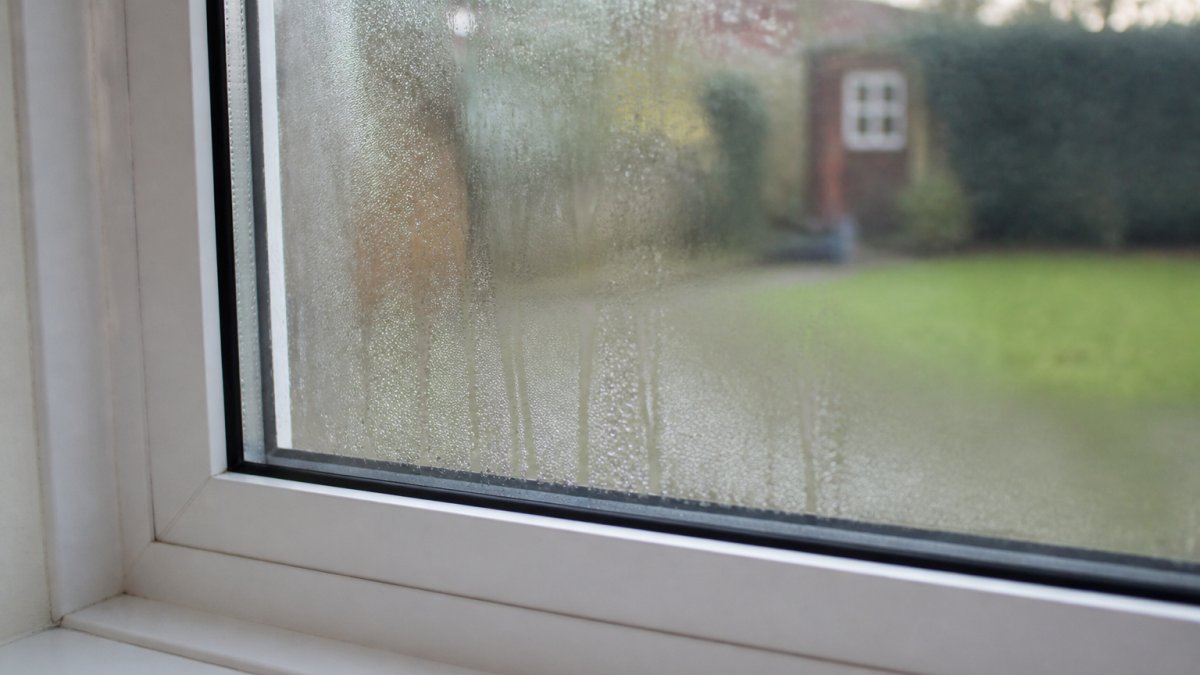
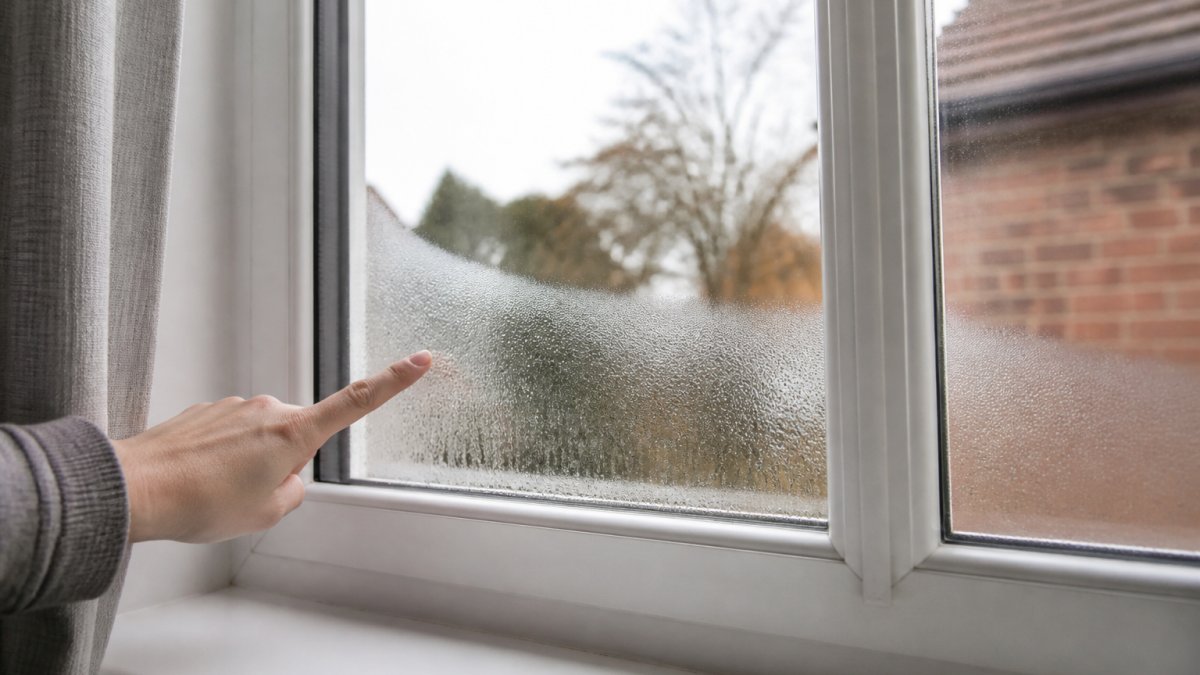
The clearest sign of a failed double-glazed unit is condensation trapped between the panes that no amount of cleaning will shift.
Watch for these:
- A grey or white film on the inner glass surface
- Water pooling along the bottom spacer bar
- The view looking hazy even on a dry day
A quick test: run a finger across the glass. If the smear stays, the moisture is inside the unit. If it clears, it's just surface condensation.
Why Condensation Forms Between Panes and How to Stop Condensation on Double-Glazed Windows
Condensation forms between panes when the perimeter seal fails and lets water vapour into the gap. The desiccant inside the spacer bar absorbs it at first. Once saturated, moisture shows on the glass.
To stop condensation on double-glazed windows, you must fix the seal, not the symptom.
Common causes of seal failure:
- Age and sun exposure hardening the sealant
- Poor installation leaving gaps around the edge
- Movement in the frame cracking the bond
DIY Demisting Methods and Their Limitations
DIY demisting methods can clear the fog briefly, but none repair the seal, so expect the mist to return. What people try, and what actually happens:
- Hair dryer: dries the surface briefly, then the moisture returns.
- Moisture absorber sachets: too small to dry a whole unit.
- Drilling a small hole: lets vapour escape, then lets more in.
Drilling a Small Hole: Does It Work?
Drilling a small hole does not work as a lasting fix. It may clear the glass for a few weeks, but it breaks the seal further and voids any remaining warranty. Its only sensible use is as a stopgap on a unit you already plan to replace.
How to Replace a Double-Glazed Unit Without Replacing the Frame
You can replace a double-glazed unit without replacing the frame in most cases. The frame stays put; only the sealed glass unit comes out.
This is the key point most homeowners miss: the frame and the glass unit are separate parts. A failed seal rarely means a failed frame, so replacing the unit alone is usually the sensible, lower-cost route.
Before You Order: Measure and Specify Correctly
Getting the measurements and specification right is where most DIY replacements go wrong. A unit a few millimetres out will not seat properly, and the wrong glass specification can affect safety, insulation and warranty.
Measuring the unit
- Remove the glazing bead on one side first so you can see how the unit sits in the rebate.
- Measure the visible glass width and height in millimetres, not centimetres, and not inches.
- Measure the overall unit thickness (the distance across both panes plus the spacer bar).
- Measure the rebate depth so you know how much of the unit sits behind the bead.
- Take each measurement at three points (top, middle, bottom for height; left, middle, right for width) and use the smallest figure. Frames are rarely perfectly square.
Identifying the glass specification
Look at the spacer bar and any etching or stamp on the glass edge, checking for:
- Toughened or laminated glass, required in doors, low-level windows and some other critical locations. Never substitute standard glass here.
- Low-emissivity (low-E) coating, a soft, slightly tinted coating that improves thermal performance. The coating must face the correct way.
- Gas fill, many modern units are filled with argon or krypton rather than air.
If you cannot identify the specification, photograph the edge and stamp and show it to your supplier. Ordering the wrong glass is the most common reason a DIY replacement fails an inspection or voids a guarantee.
Checking the Beads and Gaskets
While the unit is out, inspect the parts that hold it in place:
- Glazing beads, the strips that clip or screw over the edge of the unit. Check for cracks, brittleness or missing clips. Replace any that are damaged.
- Gaskets, the rubber or foam seals between the unit and the frame. If they are compressed, perished or missing, the new unit will not seal properly. Fit new gaskets as a matter of course.
- Drainage channels, check that the frame's weep holes are clear. If water cannot drain away, it will find its way back into the rebate.
Step-by-Step Replacement
- Measure and specify the unit as above, and order from a supplier who will confirm your figures.
- Protect the area, old units are heavy and can chip skirting, sills or flooring if dropped.
- Remove the glazing bead with a thin blade or bead-lifting tool, working gradually around the edge.
- Take out the old unit. Have a second person help; even a modest unit is awkward and heavier than it looks.
- Clean the rebate of old sealant, dirt and broken gasket material so the new unit sits on a clean, dry surface.
- Fit new gaskets and packers so the unit is centred and supported.
- Seat the new unit squarely, checking it sits flat and does not rock.
- Refit the glazing bead, checking it clips or screws down evenly all the way round.
- Seal the edges where required, cleaning off excess before it sets.
- Check the finish, no gaps, no movement, and clear drainage channels.
Expected result: a clear pane, a restored seal and a frame that has not been disturbed.
When to Call a Specialist
Some jobs are best left to a professional glazier:
- Upper-floor or hard-to-reach windows, working at height safely needs the right equipment.
- Large or heavy units, patio doors, bi-fold panels and full-height glazing are difficult to handle without risk of breakage or injury.
- Toughened or laminated glass, these must be specified and fitted correctly, and mistakes are expensive.
If you are unsure at any stage, stop and get advice. A replacement unit is straightforward when the measurements and specification are right, and expensive when they are not.
Misted Window Repair Cost and Value Over Time
Misted window repair cost depends on the size of the unit, the glass specification, the number of units, and access. Since there is no single price, understand what drives the figure.
What You Are Actually Paying For
A replacement sealed unit price is rarely just the glass. It breaks down into:
- The sealed unit itself, priced by area, so a small bathroom pane costs far less than a large patio door panel.
- Glass specification, standard clear float is the cheapest option; toughened, laminated, low-emissivity (low-E), acoustic or self-cleaning glass all add cost.
- Labour, removing the old unit, cleaning the rebate, fitting new gaskets and refitting the beads.
As a broad guide, replacing a single sealed unit costs a fraction of replacing the whole window, because the frame, hinges, handles and locks are reused. The larger the unit and the more specialist the glass, the closer those figures get.
Repair Versus Replacement: Value Over Time
| Option | Typical outlay | Expected service life | Value verdict |
|---|---|---|---|
| Drill a small hole | Minimal | Weeks to months | Poor, the mist returns and the warranty is void |
| Moisture absorber sachets | Minimal | Not effective | Poor, cannot dry a sealed cavity |
| Replace the sealed unit | Moderate | 10-20 years for a quality unit | Strong, restores the thermal seal and clarity |
| Replace the whole window | High | 20+ years | Sensible only when frames, hinges or locks are also failing |
A failed seal lowers thermal insulation, so your heating works harder, and it cuts visibility; if the frame was disturbed during a botched repair, it can also affect security.
For a single misted unit in an otherwise sound frame, replacing the glass is almost always the better-value route. For older frames with several failed units, perished gaskets or draughty hinges, a full window replacement can make more sense because you fix several problems at once.
When to Treat It as Urgent
Cost is not the only factor. Treat a misted unit as a priority if:
- The glass is cracked, chipped or visibly damaged.
- The misting is accompanied by a draught, a rattling pane or a frame that no longer closes properly.
- The unit is in a door, a low-level window or anywhere a person could fall against it.
In those cases, delaying risks the glass, the frame or the safety of the opening, and the eventual bill is usually higher than the original repair.
Warranty, Insurance, and Consumer Protections
Warranty and consumer protections matter here. A new sealed unit should carry a warranty against seal failure, so check the terms before you buy.
Under the Consumer Rights Act 2015, goods and services must be of satisfactory quality and fit for purpose. If a fitted unit fails early, you have a right to a remedy. Consumer Rights Act 2015 guidance
Some home insurance policies cover accidental glass damage, but rarely seal failure. Check your policy.
At JJ's Glass & Glazing, we fit replacement double-glazed units across Leicester and Leicestershire. We also supply high-security locks and bespoke mirrors.
Frequently Asked Questions
Can you fix misted double glazing without replacing the whole window?
Yes, in most cases. If the window frame and hinges are structurally sound, a professional glazier can replace just the failed sealed unit. This involves removing the glazing beads, taking out the misted insulated glass unit, and fitting a new one. It is a quicker and less expensive option than a full window replacement and restores clarity and thermal insulation.
Why is there condensation between the panes of double glazing?
Condensation between panes means the perimeter seal of the sealed unit has failed. This allows moisture from the air to enter the space between the glass panes. Once inside, the desiccant (silica gel) in the spacer bar becomes saturated and can no longer absorb water vapour. The result is visible misting or water droplets that cannot be wiped away.
Can I remove condensation from between double-glazed panes myself?
DIY methods like drilling a small hole in the glass or spacer are not recommended. They can shatter the glass, damage the unit further, and void any warranty. While some kits exist to dry out the unit, they rarely restore the seal's integrity. The moisture will usually return. The only permanent fix for misted double glazing is to replace the sealed unit.
How much does it cost to replace a misted double-glazed unit?
The cost to replace a misted window unit depends on the size, glass specification, and accessibility of the window. For an accurate misted window repair cost, it is best to get a free, no-obligation quote from a professional glazier.
A misted unit will keep getting worse, and every month you wait, the glass loses more of its insulation. JJ's Glass & Glazing offers free, no-obligation quotes, replacement double-glazed units measured to your exact frame, and high-security locks fitted by an experienced team. Get started with JJ's Glass & Glazing and restore clear, energy-efficient glass across your home or business.