 how-to
7 Checks to Verify Glazier Work Guarantees Before You Pay
Last Updated: November 2, 2026
Quick Summary
To verify glazier work guarantees, cross-check the certificate, invoice, delivery note and compliance certificate for matching names, dates and reference numbers, then confirm the policy directly with the insurer or provider using contact details you source yourself. Also check the installer is active on Companies House and keep written confirmation with your documents before paying.
- Ask whether the guarantee is insurance-backed and who the insurer is; vague answers mean workmanship-only cover.
- Confirm the policy exists, is active and names you by emailing the provider's independently sourced contact.
- A single 10-year guarantee headline can hide a two-year workmanship term underneath.
- Notify defects in writing on day 0 and escalate to the provider by day 28 if unresolved.
- Fitting blinds or fixtures into the frame can breach the maintenance condition and void cover.
Table of Contents
- Why Glazier Work Guarantees Need Verifying Before Final Payment
- What a Glazing Guarantee Covers: Workmanship, Product and Insurance-Backed Cover
- Reading the Glazing Guarantee Certificate and Authenticating the Documents
- Double Glazing Guarantee Length: How Long Is Reasonable and What Shortens It
- Glazing Maintenance Requirements That Keep Your Guarantee Valid
- Checking Installation Quality, Glass Markings and Compliance Certificates
- Deadlines, Evidence and Escalation: How to Make a Guarantee Claim Stick
- Request a Free Quote and Handover Check from JJ's Glass & Glazing
- Frequently Asked Questions
Why Glazier Work Guarantees Need Verifying Before Final Payment
A glazing guarantee is a written promise from the installer to put right defects in materials or workmanship for a set period. For quick answers on how we handle guarantees, quotes and aftercare, see our Glazing FAQs Leicester.
Most homeowners skim the certificate, glance at the length of cover, and file it away. That's the mistake.
The real risk isn't that the guarantee doesn't exist. It's that it excludes the exact fault you'll get. Or it's in the installer's name, not yours.
Below, we'll show you exactly how to verify glazier work guarantees step by step, so you know what you're actually covered for before you sign off the job.
What a Glazing Guarantee Covers: Workmanship, Product and Insurance-Backed Cover
A glazing guarantee usually bundles three separate things, and each one behaves differently when something goes wrong. Knowing which is which is the first check.
Workmanship cover protects you against how the unit was fitted.
That last one matters more than most people realise. A guarantee is only as strong as the business standing behind it.
Here's how the three compare:
| Cover type | What it protects | Who pays a claim | Typical weak point |
|---|---|---|---|
| Workmanship | Fitting and sealing faults | The installer | Voids if you alter the unit |
| Product | Glass and sealed unit defects | Manufacturer or installer | Excludes impact damage |
| Insurance-backed | Payout if installer folds | Third-party insurer | Must be named on certificate |
Ask directly: "Is this guarantee insurance-backed, and who is the insurer?" If the answer is vague, treat the guarantee as workmanship-only.
Reading the Glazing Guarantee Certificate and Authenticating the Documents
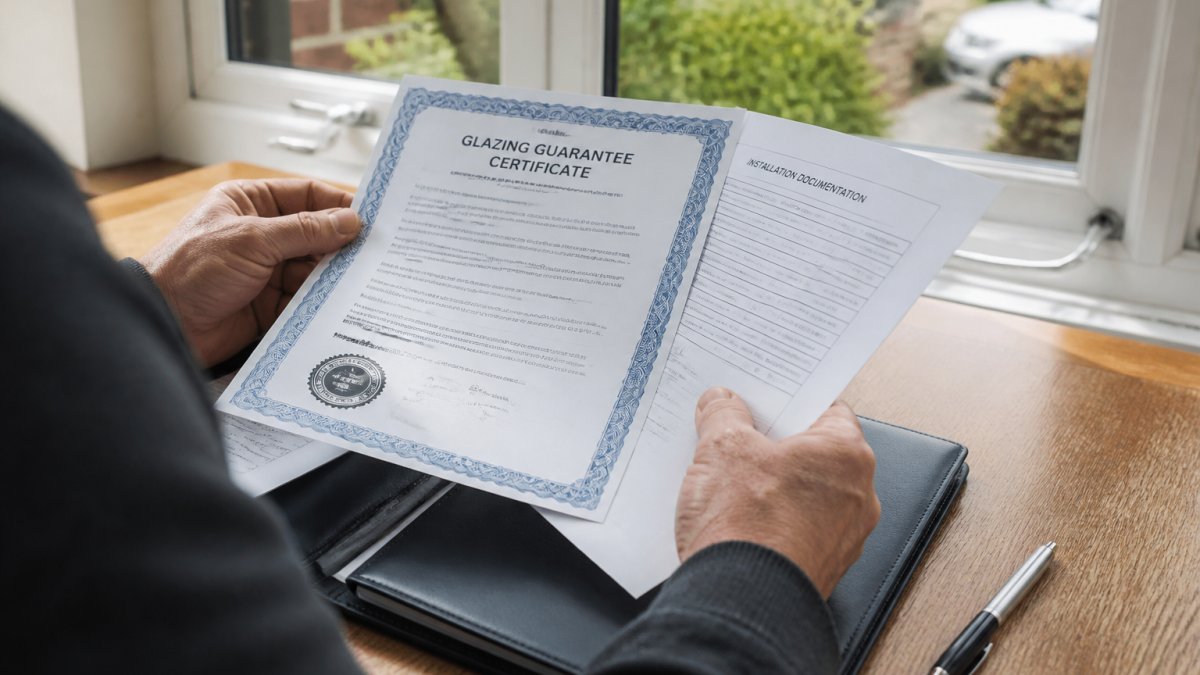
A glazing guarantee certificate is only worth the paper it's printed on if you can confirm it's genuine, current, and in your name. Check the certificate before you pay, not after.
Step 1: Match the details across every document
Authentication starts with cross-referencing, not just reading. Lay the guarantee certificate, the installation invoice, the delivery note, and any building regulations compliance certificate side by side and confirm the same details appear on each:
- Your full name and the property address, exactly as they appear on the invoice
- The installer's registered company name and Companies House number
- The installation completion date, which should match the invoice date
If any single detail differs between documents, a misspelt address, a different company number, a date that doesn't line up, stop and ask for a corrected certificate before paying. Mismatches are the most common reason a claim is rejected later.
Step 2: Confirm the certificate with the issuing body
A printed reference number proves nothing on its own. Confirm it independently:
- Find the insurer's or guarantee provider's contact details yourself, from their own website or a Companies House search, rather than using the number printed on the leaflet.
- Ring or email that independently sourced contact and quote the guarantee or policy reference.
- Ask three questions: does this policy exist, is it active, and is my name and address the named beneficiary?
- Ask for written confirmation by email and keep it with your documents.
If the provider cannot confirm the policy, treat the certificate as unverified and do not make the final payment until it is resolved.
Step 3: Check the installer is who they say they are
Search the installer's registered company name and number on the Companies House register (Using the ‘Find and update company information’ service). Confirm the company is active, that the registered address matches the paperwork, and that the trading name on the certificate belongs to that company. A certificate issued by a dissolved company or a trading name with no registered entity behind it is very difficult to enforce.
Step 4: Keep an authenticated document pack
Once verified, store the following together, physically and as scanned copies: the guarantee certificate, the installation invoice, the delivery note, the compliance certificate, your written confirmation from the provider, and your maintenance log. If you sell the property, this pack is what proves the guarantee is transferable and valid.
Double Glazing Guarantee Length: How Long Is Reasonable and What Shortens It
Double glazing guarantee length varies by what's covered, but workmanship terms are usually shorter than product terms. If you need replacement double-glazed units in Leicester & surrounding areas, our page explains what to expect.
Ask what each part of the guarantee actually runs for. A single "10-year guarantee" headline can hide a two-year workmanship term underneath.
Things that commonly shorten or void cover:
- Altering or painting the frames after fitting
- Fitting blinds or fixtures that trap heat against the glass
- Impact damage or breakage from accidents
If you're weighing up whether a misted unit needs repair or replacement, our guide on how to fix misted double glazing units explains the difference and when replacement makes sense.
Glazing Maintenance Requirements That Keep Your Guarantee Valid
Most guarantees carry a maintenance condition, and ignoring it is the easiest way to lose cover without realising. Keep a simple record and you'll be fine.
What a reasonable maintenance regime looks like:
- Clean frames and glass a few times a year with mild soapy water
- Check seals and drainage slots for blockages each season
- Wipe condensation promptly and note any that returns
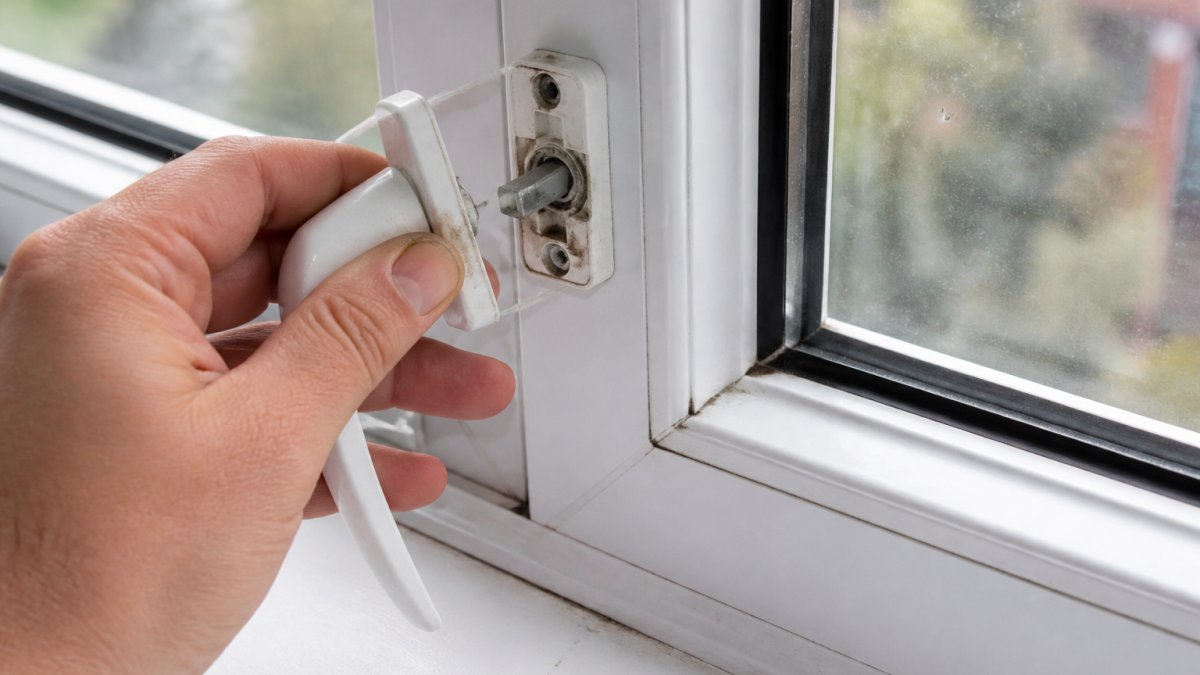
Watch out: many homeowners void product cover by fitting a shelf or blind bracket directly into the sealed unit's frame.
Log what you do and when. If you ever need to claim, a dated record shows you met the terms.
Checking Installation Quality, Glass Markings and Compliance Certificates
Installation quality is what you can see and feel, and it's your best early warning.
Look for:
- Even gaps between the sash and frame
- Smooth operation of handles and hinges
- No draughts when you hold a hand near the edges
Then check the glass itself.
Compliance certificates for the work, including any relevant building regulations sign-off, should be handed over with the guarantee.
Seeing real completed installations helps you judge workmanship before you sign off, so browse our gallery of glazing work across Leicester and Leicestershire.
Deadlines, Evidence and Escalation: How to Make a Guarantee Claim Stick
A guarantee claim succeeds or fails on paperwork and timing. Act fast, keep everything, and follow a clear sequence.
A practical claim timeline
Use this as a working schedule from the moment you spot a defect:
- Day 0, Notify in writing. Email the installer the same day you notice the fault. State the guarantee reference, describe the defect, and attach photographs. Email beats a phone call because it is dated and creates a record.
- Day 1-3, Preserve evidence. Photograph the defect clearly, including a date reference in the shot, and keep the affected area untouched until it has been inspected. Do not attempt a repair yourself, as this can void cover.
- Day 7, Confirm receipt. If you have had no acknowledgement, follow up in writing and ask for a response date.
- Day 14, Request a remedy in writing. Ask for inspection and repair or replacement within a stated reasonable period, and put that deadline in the email.
- Day 28, Escalate if unresolved. If the installer has not responded or has refused without a valid reason, move to the escalation routes below.
These intervals are a practical guide, not a legal deadline. The key principle is that you notified promptly and can prove it.
What evidence to keep
Build a single file containing:
- The authenticated guarantee certificate and your written confirmation from the provider
- The original invoice, delivery note, and compliance certificate
- Dated photographs of the defect, plus wider shots showing the window in context
How to escalate an unresolved claim
If the installer will not engage, work through these routes in order:
- The guarantee provider or insurer. If the cover is insurance-backed, claim directly against the policy using the reference number you verified earlier.
- The installer's trade body or competent person scheme. If the installer is a member of a scheme, its dispute process can pressure a resolution. Check membership on the scheme's own register rather than trusting a logo on a van.
- Consumer protection routes. Under the Consumer Rights Act 2015, services must be carried out with reasonable care and skill, and terms in a guarantee that are unfair may not be enforceable. For clear official guidance, see Citizens Advice on complaining about goods or services and the Competition and Markets Authority guidance on unfair terms.
Unfair terms in a guarantee, such as a blanket exclusion of all liability, may not be enforceable. That's worth knowing before you accept a refusal as final.
Request a Free Quote and Handover Check from JJ's Glass & Glazing
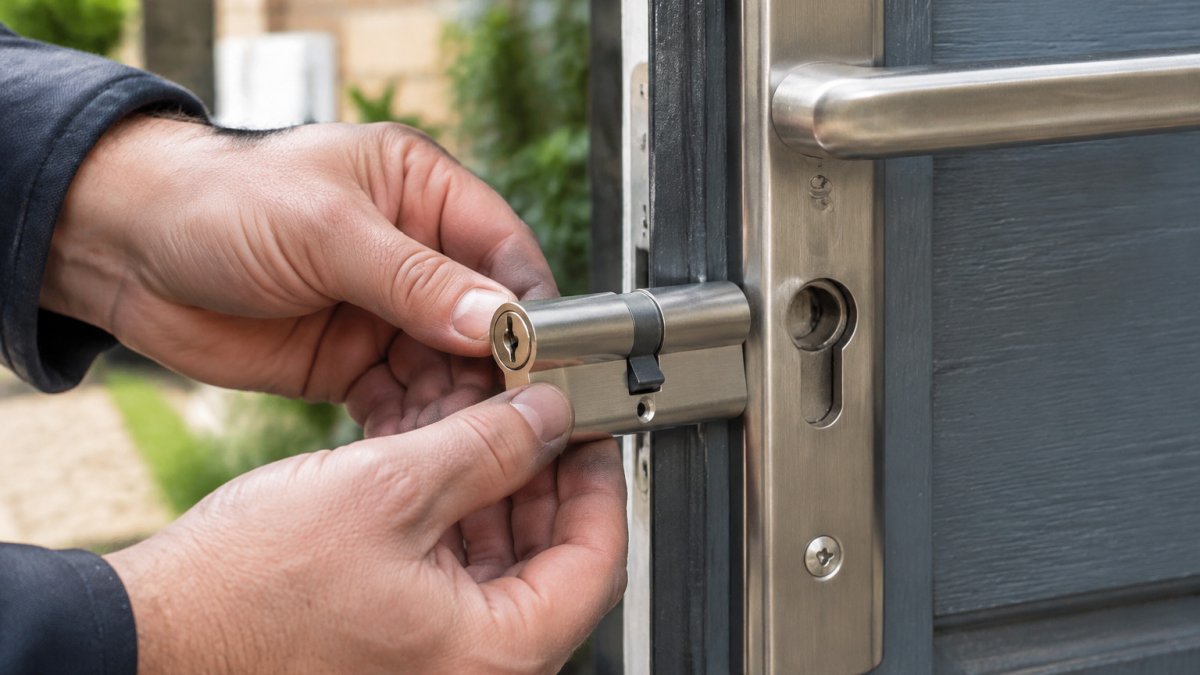
At JJ's Glass & Glazing, we work with homeowners and businesses across Leicester and Leicestershire on everything from replacement double glazed units to glass repairs and high-security locks. We offer free, no-obligation quotes and a reliable, professional service.
Need a glazing quote or a handover check? Request a quote from JJ's Glass & Glazing and send us your enquiry today.
Frequently Asked Questions
What should a glazing guarantee include?
A valid glazing guarantee should name the property owner and address, describe the work and products fitted, state the start date and length of cover, and set out what is covered and excluded. It should separate workmanship cover from product cover and say whether an insurance-backed guarantee applies. Look for clear claim steps, deadlines for reporting faults, and a complaints or dispute resolution route. Ask for the certificate before final payment so you can check it while the installer is still on site.
Does a double-glazing guarantee cover installation as well as the glass?
Often it does, but only if the paperwork says so. Many guarantees combine two elements: a product guarantee on the sealed unit or glass, and a workmanship guarantee on the installation itself. Workmanship cover is what protects you if a unit was fitted poorly and starts to mist or leak. Check that both are named, with their own lengths and exclusions. If the certificate only mentions the glass, ask the installer to confirm in writing whether installation faults are covered.
Can I claim on a glazing guarantee if the installer has stopped trading?
It depends on the type of cover. A guarantee backed by an insurance policy may still pay out if the installer ceases trading, provided you hold the policy documents and followed the claim steps. A guarantee that relies only on the installer's own promise is much harder to enforce once the business closes. Before you pay, ask whether the guarantee is insurance-backed, request the policy details, and keep them with your certificate and installation paperwork.
How do I check whether replacement glass meets the specification on my quote?
Compare the glass markings on the pane with the specification in your quote and guarantee certificate. Look for the product identification details and any energy rating shown on the unit, and check they match what you ordered. Ask for the delivery documentation and compliance certificates at handover, and keep them with your guarantee. If the markings or paperwork do not match the quote, raise it before final payment rather than after.
The challenge is simple: most guarantee problems surface months after payment, when your leverage is gone. Get the documents checked first. Get started with JJ's Glass & Glazing and hand over your glazing work with confidence, backed by clear paperwork, expert care, and tailored solutions for your windows and doors.