 how-to
Is an Anti-Snap Lock Worth It for a Rental Property?
Last Updated: November 10, 2026
Quick Summary
An anti-snap lock is worth it for a rental property because lock snapping is a fast, quiet way into homes and rental keys pass through many hands. Choose a cylinder with a TS007 3-star rating, measure both sides before buying, and pair it with good key control.
- Lock snapping is a common forced-entry method, and standard cylinders with weak shear points are especially vulnerable.
- Look for a TS007 3-star rating, which indicates the highest level of tested resistance to attack.
- Measure both halves of the cylinder, such as 35/45, to get the correct size and avoid protrusion past the handle.
- Use a signed key receipt and a master key log at every tenancy handover to track who holds each key.
- Change the cylinder if any key is missing or the lock shows signs of tampering between tenancies.
Table of Contents
- Why Lock Snapping Is the Main Threat to Rental Doors
- How Anti-Snap Cylinders Work and What They Protect Against
- Understanding the TS007 3-star lock cylinder rating
- How to measure a euro cylinder before you buy
- Thumb-turn lock security: when a thumb-turn is the right choice
- Tenant turnover: managing keys and changing locks between lets
- Booking a Lock Check Before Your Next Let
- Frequently Asked Questions
Forcing a door open is one of the most common ways burglars get into rental homes, and the lock on the door is often the weak point. For a landlord in Leicester or Leicestershire, choosing an anti-snap lock for a rental property is one of the simplest security upgrades available. This guide explains what these locks do, how to choose one, and when it is worth the cost. For current prices or a quote, visit the JJ's Glass & Glazing website.
Anti-snap locks are not a cure-all, and their value depends on the door, the existing hardware and how the property is managed between tenancies. The sections below work through each of those factors, so you can decide whether the upgrade makes sense for your letting.
Why Lock Snapping Is the Main Threat to Rental Doors
Lock snapping is a forced-entry method where an intruder applies sharp force to the cylinder, usually with a tool, until the lock shears and the door opens. It is quick and leaves little noise. Standard cylinders with a weak shear point are especially vulnerable.
Rental properties face this risk more than owner-occupied homes. Keys are handed to tenants, contractors and letting agents, and locks may go years without being inspected. A worn or basic cylinder can fail long before anyone notices.
How Anti-Snap Cylinders Work and What They Protect Against
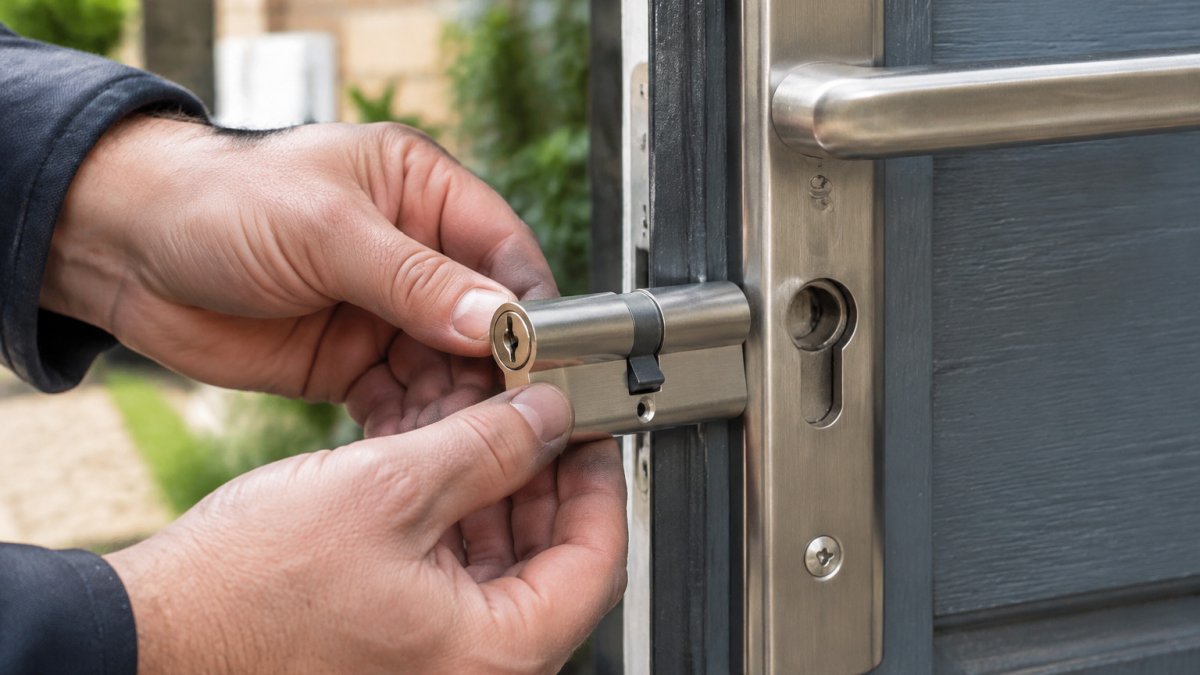
An anti-snap cylinder is built so that the part that turns the lock stays intact under force. Internal components resist shearing, so the cylinder cannot be snapped in two to release the mechanism. This makes the door far harder to force within seconds.
Anti-snap protection is specifically about snapping. It does not on its own stop picking, bumping or drilling, which is why the best cylinders combine several protections. When comparing options, check the product's stated resistance rather than relying on the name alone.
Understanding the TS007 3-star lock cylinder rating
TS007 is a UK test specification for lock cylinders, and it is the rating most landlords should look for. Cylinders are graded from one to three stars, with three stars indicating the highest level of tested resistance to attack.
Keep in mind that a rating describes the cylinder, not the whole door. A three-star cylinder fitted into a weak frame or a poorly secured door will not deliver its full protection. Ask for the rating in writing and check it matches the product you are buying.
How to measure a euro cylinder before you buy
Getting the cylinder size wrong is the most common reason an anti-snap lock upgrade fails on a rental property. A cylinder that is too long will protrude beyond the door handle and give an intruder a purchase point for snapping or gripping; one that is too short will not engage the lock mechanism properly and may leave the door insecure. Measuring both sides of the cylinder, not just the overall length, is the step that prevents costly returns.
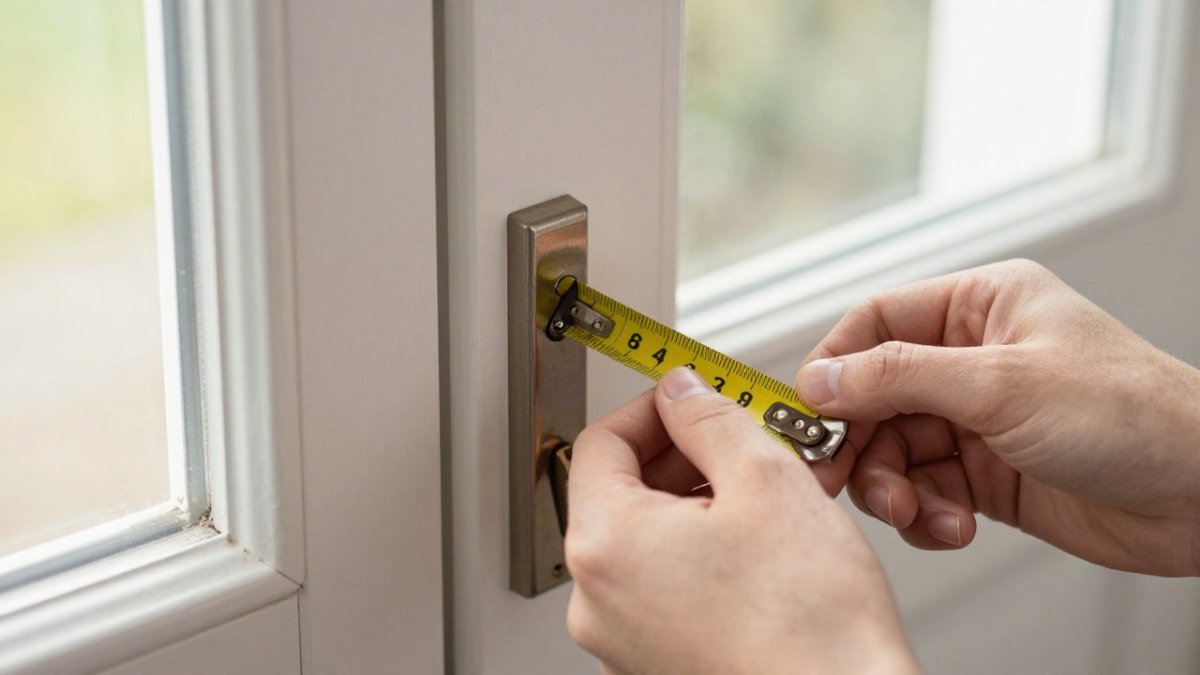
Start by removing the existing cylinder. On most euro-profile doors this means unscrewing the retaining screw on the faceplate or the handle backplate, then withdrawing the cylinder with the key slightly turned. Once it is out, you will see a central fixing hole or groove that divides the cylinder into two halves. Measure from the centre of that fixing point to the outer face of the cylinder on each side. These two measurements are the numbers you need: a cylinder described as 35/45, for example, has a 35 mm side and a 45 mm side.
Next, establish which side faces out. The external side is the one exposed to the street; the internal side sits inside the property. Anti-snap cylinders are designed so that the external side snaps at a defined point and leaves the internal mechanism intact, so the external measurement must match the door thickness plus the handle and any security furniture. Find out how anti-snap locks resist forced entry and meet British standards. If the external side is too long, the cylinder will stick out past the handle backplate and the anti-snap feature will not protect the door as intended.
Measure the door thickness at the lock position, then add the thickness of the handle backplate or escutcheon on the external face. Compare that total with the external cylinder measurement. The cylinder should sit flush with, or no more than a few millimetres proud of, the external furniture. A cylinder that projects significantly beyond the handle is a sign that the wrong size has been fitted or that the door furniture is too shallow for the cylinder.
Watch out: on composite and uPVC doors the cylinder often sits within a multipoint lock cassette, and the retaining screw may be hidden behind a cover cap or accessed from the door edge rather than the faceplate. Forcing the screw or levering the cylinder can damage the lock case, so if the cylinder does not withdraw easily, stop and check the door manufacturer's fitting instructions.
Finally, check the cylinder cam shape and the position of the fixing hole against the existing lock. Most euro cylinders use a standard cam, but some doors require a specific offset or a cylinder with a longer cam to operate the multipoint mechanism. Photograph the old cylinder alongside a ruler before you order, and keep the old cylinder until the new one is fitted and tested. That way you can compare the two side by side and avoid a second purchase.
Getting the cylinder size right before you buy comes down to measuring both sides of the cylinder:
| Measurement | What to check | Why it matters |
|---|---|---|
| Two halves (e.g. 35/45) | Centre of fixing point to outer face, each side | Sets the cylinder size needed |
| External side | Door thickness plus handle backplate | Must not protrude past the handle |
| Projection beyond handle | Compare with external furniture | A few mm at most; large gap signals wrong size |
| Fixing point | Position against existing lock | Confirms cam and offset match |
| Old cylinder | Photograph beside a ruler | Avoids a second purchase |
Thumb-turn lock security: when a thumb-turn is the right choice
A thumb-turn on the inside lets occupants open the door without a key, which matters for fire escape. However, a thumb-turn can also let an intruder who has broken a window reach through and open the door. This is why the choice depends on the property.
In a rental with easily reached windows or glazing near the lock, a key-operated internal cylinder can reduce that risk. Where fire regulations require free egress, a thumb-turn may be the only compliant option, so check local requirements before deciding. Our advice is to consider the glazing layout first, then the escape requirements.
Tenant turnover: managing keys and changing locks between lets
Key control is where anti-snap locks earn their keep in a rental property, because the lock is only as secure as the number of people holding a working key. A common pattern is for keys to accumulate across tenancies, a spare with the letting agent, one with a cleaner, one with a relative, and for nobody to have a complete record when the tenancy ends. Building a simple, repeatable process around key handover and cylinder changes closes that gap.
At the start of each tenancy, issue keys against a signed key receipt that records the number of keys, the date, and the tenant's acknowledgement that all keys must be returned at the end of the let. Keep a master log that shows every key cut for the property, who holds it, and when it was issued or returned. This log is the document you rely on if a key is lost or if access is disputed later. A single-page log per property can be enough, provided it is updated at every handover and every contractor visit.
When a tenancy ends, collect all keys before the deposit is returned and count them against the log. If every key is accounted for and the cylinder is undamaged, there is no automatic need to change the lock. If any key is missing, or if the tenant cannot confirm that no copies were cut, treat the cylinder as compromised. Changing the cylinder can restore the tested resistance of the lock rather than relying on a rekeyed but older mechanism.
For lost keys during a tenancy, agree a written procedure at the start of the let. The tenant should report the loss immediately, and the landlord should decide whether the cylinder is changed at the tenant's cost or whether the risk is accepted until the end of the tenancy. Document the decision and the date, because insurance claims and deposit deductions are easier to support with a clear paper trail. If a key is lost and the cylinder is not changed, record that the tenant accepted responsibility for any resulting loss.
Between tenancies, inspect the cylinder as well as the keys. Look for a worn keyway, a cylinder that no longer sits flush with the handle, or a thumb-turn that has been forced. These are signs that the lock has been tampered with or is nearing the end of its life, and they justify replacement even if all keys are returned. Keep a small stock of the correct cylinder size for each door type in the portfolio so that a replacement can be fitted without a second visit.
Watch out: if the property is managed by a letting agent, confirm in writing who holds the spare keys and whether the agent cuts additional copies. Agents sometimes issue keys to contractors without updating the landlord's log, and that is how an unrecorded key holder appears after the tenancy ends.
Booking a Lock Check Before Your Next Let
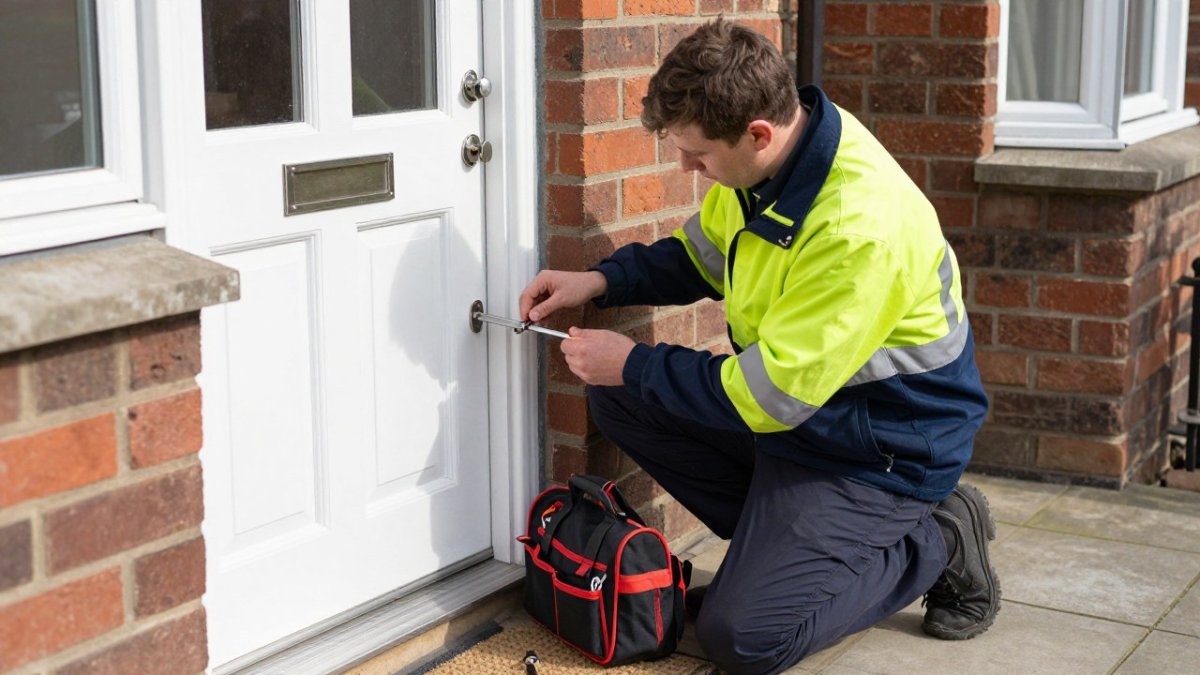
Before a new tenant moves in, it is worth inspecting the doors, frames and cylinders. Look for loose handles, worn keyways and damaged frames, and confirm the cylinder rating. If anything looks worn, a professional can help.
If you want an expert to look at your locks, you can book a lock check or browse window and door hardware options for handles, hinges and locks in the same visit. To discuss a specific property, you can request a quote for the work you need.
Frequently Asked Questions
What is an anti-snap lock?
An anti-snap lock is a euro cylinder designed to resist lock snapping, a forced entry method where a burglar grips and twists the cylinder body to break it. Anti-snap cylinders use a reinforced internal design, often with a shear line that breaks in a controlled way, so the lock cannot be snapped out. For a rental property, fitting one to the front and back doors is a practical step, as the cylinder is the weakest point on many standard doors. Look for a product certified to TS007 with a three-star rating for the strongest protection.
How do I know if a door has a euro cylinder lock?
A euro cylinder is the rectangular-to-round barrel lock common in UK doors, held in place by two screws on the door edge and sticking out on both sides. You can check by looking at the lock from the outside: if the key goes in a barrel with a small screw-fixed cover and the lock is fitted to the door edge, it is most likely a euro cylinder. Measuring the barrel length will confirm the size before you order a replacement.
Do anti-snap locks meet insurance requirements?
Insurance policies for rental properties often specify minimum locking standards, so check your policy wording before choosing a lock. Some insurers ask for locks to meet a recognised standard, and it is worth checking whether a rating such as TS007 is specified. Keep a record of the lock make, model and rating along with the installation date, as this helps if you need to make a claim. Confirm the exact requirement with your insurer, as terms vary between providers.